

The e-cigarette industry has evolved rapidly. Smart devices now integrate sensors for improved user experience. Among innovations, flavored e-cigarette liquid sensor boards are transforming vaping technology.
These sensor boards detect multiple flavors simultaneously. They enhance flavor consistency, which traditional e-cigarettes often lack. Consumers increasingly demand precise flavor replication. Thus, manufacturers focus on PCB solutions to meet expectations.
The Role of PCB in Multi-Flavor Detection
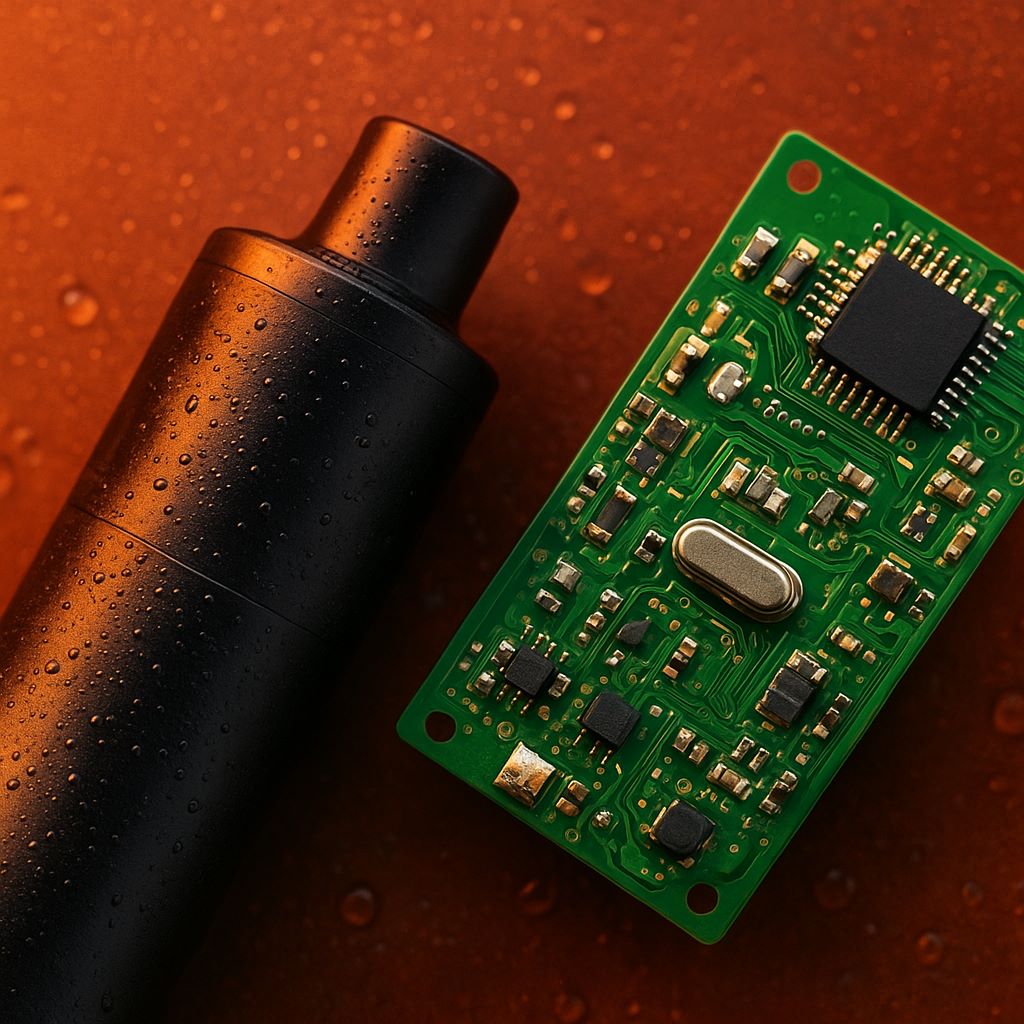
A printed circuit board (PCB) is the core of any smart e-cigarette. It integrates sensors, microcontrollers, and connectivity modules. Flavored e-cigarette liquid sensor boards allow dynamic flavor analysis. The PCB captures chemical signatures of liquids in real time. Through data processing, devices adjust heating elements and airflow.
This real-time analysis ensures flavor accuracy for every puff. Advanced PCB design minimizes interference between multiple sensors. High-density PCBs are now common to support multi-flavor detection. Moreover, compact PCBs allow device miniaturization without sacrificing performance.
Technical Challenges in Flavor Detection
Detecting multiple flavors presents several technical challenges. Liquid sensors must differentiate subtle chemical compounds accurately. Cross-sensitivity among flavors can lead to false readings.
PCB layout design must isolate signals and reduce noise. Temperature and voltage fluctuations affect sensor reliability.
To solve these issues, smart PCB design incorporates:
-
Shielded signal traces to minimize interference
-
Dedicated analog and digital circuits
-
Optimized sensor placement for consistent readings
-
Advanced firmware algorithms for calibration and drift correction
 Integration with Smart E-Cigarette Systems
Flavored e-cigarette liquid sensor boards are integrated with the device firmware. Data from sensors communicates with microcontrollers for real-time adjustments. These systems control heating power and airflow to maintain flavor integrity. Bluetooth or Wi-Fi modules can sync with mobile apps. Users can monitor flavor profiles, usage patterns, and device health.
Integration also improves safety. Sensor boards detect abnormal chemical reactions. PCB systems can shut down the device if dangerous conditions occur. Thus, multi-flavor detection enhances both taste and safety.
Advantages for Consumers
Consumers benefit from precise flavor replication. Multi-flavor detection allows users to switch flavors seamlessly. Devices remember user preferences through smart PCB memory. Flavor degradation is minimized due to real-time adjustments. Overall, the vaping experience becomes consistent, safe, and enjoyable.
Industry Implications
Manufacturers must invest in high-quality PCB solutions. Flavored e-cigarette liquid sensor boards create a competitive edge. Product differentiation depends on reliability, compactness, and accuracy. Smart e-cigarettes with multi-flavor detection appeal to premium market segments. Furthermore, regulatory compliance requires accurate chemical monitoring.
Future Trends in Smart E-Cigarette Technology
The future will see greater integration of AI and machine learning. Sensor boards will analyze flavor compounds and predict optimal settings. Real-time data can improve battery efficiency and heating control. Connectivity features allow firmware updates for new flavor detection. PCB innovations will focus on reducing size while increasing functionality.
Wearable and IoT-compatible e-cigarettes are emerging. Flavored e-cigarette liquid sensor boards can feed data to cloud platforms. This data helps manufacturers understand usage and improve formulations.
Design Considerations for Multi-Flavor Detection PCB
PCB designers must prioritize several factors:
-
Sensor placement for accurate chemical readings
-
Low noise and high signal integrity
-
Thermal management to prevent overheating
-
Firmware compatibility with smart modules
-
Modular design for easier maintenance and upgrades
Advanced PCBs may incorporate multiple layers. Each layer can handle specific sensor signals separately. This design reduces interference and improves device longevity.
Challenges in Mass Production
Scaling up smart e-cigarettes with multi-flavor detection has challenges. Consistent quality control of sensor boards is critical. PCB production must ensure uniform soldering and trace accuracy.
Firmware calibration for each batch is essential to avoid flavor inconsistencies. Cost optimization is key without compromising accuracy or safety.
Case Study: Multi-Flavor Detection Implementation
Several leading e-cigarette manufacturers now use these PCBs. Devices analyze flavor compounds in real-time. Users report more consistent taste compared to traditional devices. Multi-sensor boards reduce flavor contamination between refills. This success drives further investment in sensor technology.
 The Importance of PCB Supplier Selection
Choosing a reliable PCB supplier is critical. Suppliers must support high-density designs and advanced sensor integration. Quality certifications, like ISO or UL, ensure compliance. Experienced suppliers provide firmware integration support. This reduces development time and improves device reliability.
Environmental and Safety Considerations
Flavored e-cigarette liquid sensor boards must be environmentally safe. Materials should comply with RoHS standards. Thermal and electrical protections prevent accidents. Smart PCBs detect anomalies and prevent overheating or short circuits.
Consumer Education and Adoption
Consumers need to understand the benefits of multi-flavor detection. Marketing emphasizes safety, flavor accuracy, and personalization. Mobile apps provide feedback, usage tips, and flavor management. Education increases user confidence and drives adoption.
Conclusion
Integrating multi-flavor detection in smart e-cigarettes is transformative. Flavored e-cigarette liquid sensor boards are the foundation of this innovation. They enhance flavor accuracy, safety, and consumer satisfaction. PCB design, firmware, and sensor integration determine device success. Future devices will leverage AI, cloud data, and advanced PCB layouts. The smart e-cigarette market is set to evolve rapidly with these technologies.