

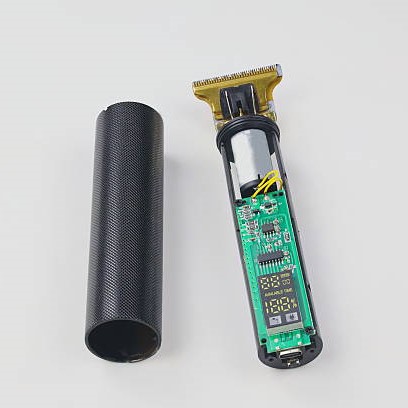
In the world of high-performance electronics, particularly within the compact confines of miniature PCBA for vape design, there is a silent struggle occurring beneath the surface. Every time a user activates their device, a rapid surge of energy creates a spike in temperature. When they stop, the components cool down. This constant “breathing” of heat—known as thermal cycling—creates immense physical stress on the hundreds of microscopic solder joints that hold the circuit together.
A solder joint is often misunderstood as a simple, static bridge of metal. In reality, it is a dynamic structural element. If it is too rigid, it will crack under the pressure of expansion; if it is too soft, it will succumb to mechanical creep. To ensure the longevity of a high-end vaping device, these joints must possess a paradoxical quality: “Steel-like Resilience.” This article explores the advanced engineering, material science, and precision processes that allow miniature PCBAs to maintain absolute electrical and mechanical integrity through millions of thermal “breaths.”
1. The Thermal Breath: Understanding the Stress of the “Vape Cycle.”
Vaping devices are among the most thermally active consumer electronics on the market. Unlike a smartphone, which maintains a relatively steady temperature, a vape control board must manage rapid transitions from ambient temperature to peak heat in a matter of seconds.
The Coefficient of Thermal Expansion (CTE) Mismatch
The core challenge lies in physics. The PCB (fiberglass), the silicon chips, and the solder itself all have different Coefficients of Thermal Expansion (CTE).
-
The Conflict: When the device heats up, the PCB expands faster than the ceramic components.
-
The Stress Point: The solder joint sits in the middle of this “tug-of-war.” If the joint cannot absorb this differential movement, it will develop micro-cracks, eventually leading to a “dry joint” or a total circuit failure.
The Fatigue Factor
For a casual user, this cycle might happen 200 times a day. Over a year, that is nearly 75,000 stress events. For a miniature PCBA for vape design, maintaining electrical conductivity is easy; maintaining mechanical survival is the true engineering feat.
2. Material Alchemy: The Evolution of Solder Alloys
To combat thermal fatigue, we must look beyond basic tin-lead or standard lead-free solders. The “Resilience” starts with the chemical composition of the solder paste.
-
SAC305 and Beyond: Most high-reliability boards utilize SAC305 (Tin-Silver-Copper) alloys. The silver adds the necessary tensile strength, while the copper helps control the melting point and improves wetting.
-
Doping for Durability: Advanced vape PCBAs often use “doped” alloys containing trace elements like Nickel or Antimony. These additives refine the grain structure of the solder. A finer grain structure acts like a shock absorber at the molecular level, preventing the propagation of micro-cracks during the expansion phase of the thermal cycle.
-
Creep Resistance: In a compact vape chassis, heat can linger. Solder is prone to “creep”—the tendency of a solid material to move slowly or deform permanently under the influence of persistent mechanical stresses. Advanced alloys are engineered to stay “firm” even at elevated temperatures.
3. Vacuum Reflow: Eliminating the “Hidden Enemy” Inside
Even the best alloy will fail if the internal structure of the joint is compromised. The greatest enemy of a resilient solder joint is the “Void.”
The Danger of Voids
During the standard soldering process, gases can become trapped inside the molten metal, creating tiny air bubbles (voids). In a high-stress environment:
-
Voids reduce the total conductive surface area.
-
More importantly, they act as stress concentrators. Just as a crack in a windshield spreads from a single chip, a solder joint crack starts at a void.
The Vacuum Reflow Solution
Premium miniature PCBA for vape design utilizes Vacuum Reflow Soldering. By pulling a vacuum during the liquid phase of the soldering cycle, gases are sucked out of the molten solder. This results in a “Void Rate” of less than 1–5%, compared to the 15–25% seen in standard manufacturing. The result is a nearly 100% solid metallic bond that provides the “Steel-like” strength needed for years of use.
4. The “Spring” Logic: Designing for Mechanical Flexibility
If a joint is too rigid, it becomes brittle. The secret to “Resilience” is a design that allows for micro-flexibility—much like the suspension system of a car.
-
Optimized Pad Design: By meticulously calculating the ratio of the component lead to the copper pad on the PCB, engineers can create a “fillet” (the curve of the solder) that distributes stress evenly rather than concentrating it at the corners.
-
Standoff Height Management: Increasing the “standoff” height (the distance between the chip and the board) allows the solder joint to act as a tiny pillar that can tilt slightly during thermal expansion, absorbing the CTE mismatch without snapping.
-
Underfill and Reinforcement: For high-mass components or those near the heating element, specialized “underfill” resins are used. These polymers encapsulate the solder joints, providing a secondary layer of mechanical support that moves in harmony with the PCB.
5. Why Every Joint Matters
In the competitive vaping market, the PCBA is the brain of the brand. A single failed solder joint translates to a “Dead on Arrival” (DOA) product or a device that fails within three months, destroying consumer trust.
-
Lower Return Rates: Investing in vacuum reflow and premium alloys significantly reduces the “Infant Mortality” rate of electronic devices.
-
Brand Prestige: A device that feels “solid” and continues to work after thousands of puffs creates a “Reliable Persona” for the brand.
-
Safety: In a high-drain battery environment, a loose solder joint can create high resistance, leading to localized overheating. Resilient joints are, therefore, a fundamental pillar of thermal safety.
6. Conclusion: The Masterpiece Under the Microscope
The next time you hold a sleek, compact vaping device, remember that its life depends on the “Steel-like Resilience” of hundreds of invisible connections. These solder joints are the result of a sophisticated dance between metallurgy, physics, and precision manufacturing.
By focusing on the micro-level—eliminating voids, optimizing alloys, and designing for the inevitable breath of heat—the miniature PCBA for vape design transcends its role as a simple circuit. It becomes a robust, enduring engine of performance. In the world of RIMYI-style engineering, we don’t just connect components; we forge them to survive.