

In the rapidly evolving electronic vaping industry, much attention is given to flavors, design, and battery life. However, beneath these visible features lies an invisible innovator that determines performance, safety, and reliability—the printed circuit board (PCB). Within every disposable vape, the PCB acts as the silent conductor that translates digital intelligence into consistent vapor output. As technology pushes toward smarter, safer, and more efficient devices, disposable vape PCB design becomes the decisive element shaping the next generation of vaping experiences.
1. The Unseen Heart of Every Disposable Vape
Every disposable vape may look simple from the outside—a sleek cylindrical body with an integrated battery and e-liquid reservoir. Yet, its functionality depends entirely on how its internal PCB is designed and manufactured. The PCB manages battery discharge, heating coil activation, temperature control, and power efficiency. When well-designed, it ensures smooth vapor delivery and extends battery performance without compromising safety.
Modern vape PCB boards integrate not only power management circuits but also microcontrollers, sensors, and protection chips. These components communicate in milliseconds to deliver a seamless puff experience. When a user inhales, the air sensor activates the heating coil through the PCB, regulating power output precisely to avoid overheating or dry burning.
Therefore, PCB design does more than connect electronic parts; it defines how intelligently and safely a disposable vape operates.
 2. The Growing Complexity of Vape PCBA Architecture
Early vape products used simplified control circuits focused mainly on power delivery. However, as market competition intensified, manufacturers like RIMYI began integrating multi-layer PCB designs with advanced functionalities. These include:
-
Low-power consumption chips for extended battery life
-
Temperature sensing modules for consistent vapor quality
-
Short-circuit and overload protection mechanisms
-
Automatic cutoff timers to improve safety compliance
These architectural upgrades reflect how disposable vape PCB design has evolved into a miniature form of embedded engineering. Each component placement and routing decision affects performance, cost, and durability.
Moreover, as vaping regulations tighten across markets, manufacturers must ensure compliance with strict electronic safety standards. High-quality PCB design provides the foundation for meeting these global certifications, minimizing product recalls, and strengthening consumer trust.
3. Power Management and Thermal Optimization
One of the most critical roles of PCB design is managing power flow. Disposable vapes typically use compact lithium batteries, which must deliver consistent voltage while preventing overheating or short circuits.
Through precise routing and heat dissipation layers, the PCB ensures energy is distributed evenly to the atomizer coil. Advanced designs also employ thermal management techniques such as copper heat planes and protective coatings that stabilize temperature levels.
RIMYI’s engineering approach emphasizes low-resistance pathways and optimized trace layouts, reducing energy loss while increasing puff stability. This not only enhances user satisfaction but also extends overall device lifespan, even in disposable formats.
Furthermore, integrating temperature feedback loops allows automatic power adjustments during operation. Such intelligent features highlight how PCB design transforms ordinary vapes into smart-controlled vapor systems.
4. The Role of Miniaturization in Design Efficiency
As consumers demand slimmer, lighter, and more compact devices, miniaturization becomes essential. However, shrinking PCB dimensions without compromising performance requires advanced design tools and manufacturing techniques.
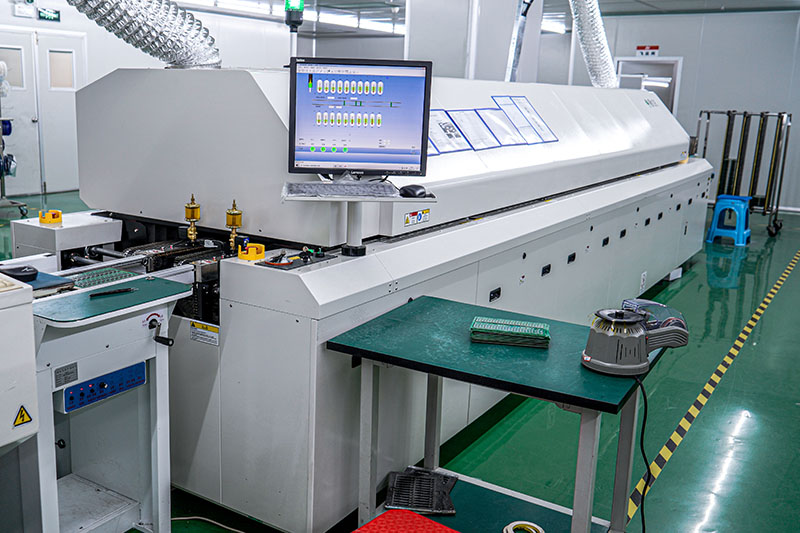
RIMYI leverages high-precision surface-mount technology (SMT) to produce compact boards with dense component layouts. Each solder joint and copper trace must be carefully positioned to maintain electrical integrity under mechanical stress.
Additionally, modular design frameworks enable RIMYI to adapt PCBs for various disposable vape models without redesigning from scratch. This modularity reduces development costs and accelerates customization for brand clients seeking differentiation in a competitive market.
The success of such compact architectures demonstrates how engineering precision and creative design converge in every disposable vape board.
5. Material Selection and Long-Term Reliability
The stability of a PCB relies heavily on material selection. RIMYI focuses on flame-retardant, moisture-resistant substrates such as FR-4 or specialized polyimide laminates. These materials withstand exposure to heat and vapor, ensuring long-term circuit reliability.
Additionally, surface finishing methods like ENIG (Electroless Nickel Immersion Gold) enhance solder joint durability and reduce oxidation risks. Such finishes play a significant role in extending the operational lifespan of disposable devices stored under variable environmental conditions.
Protective conformal coatings also add an extra layer of defense against moisture or e-liquid leakage. In humid conditions or accidental exposure, these coatings prevent electrical failure by insulating the circuit surface.
Through comprehensive reliability testing—including vibration, humidity, and temperature cycling—RIMYI ensures that each vape PCB solution maintains consistent performance under real-world conditions.
6. Smart Control and Sensor Integration
Intelligence is the next frontier in electronic vape board innovation. Modern disposable vapes incorporate sensors that monitor puff count, air pressure, and even coil resistance. The microcontroller unit (MCU) at the heart of the PCB processes these signals in real time to optimize vapor delivery.
This smart control capability enables precise adjustments in output voltage and heating duration, enhancing flavor consistency and preventing overheating.
Furthermore, integrating motion sensors and usage counters provides data that can guide future product iterations. For instance, brands can analyze average puff duration or battery usage patterns to improve performance in subsequent models.
RIMYI’s PCBA solutions support customizable firmware, allowing brand clients to tailor control algorithms to specific market needs. Whether for stronger flavor release or smoother vapor flow, firmware-level tuning empowers manufacturers with unique competitive advantages.
7. Safety as a Design Foundation
In any vaping product, safety remains paramount. The PCB acts as the primary defense layer protecting users from electrical faults or thermal hazards.
RIMYI integrates multi-tier protection systems, including:
-
Short-circuit protection to prevent coil damage
-
Over-discharge protection to avoid battery degradation
-
Thermal cutoff mechanisms to stop overheating
These safeguards are implemented directly within the PCB’s control logic and layout. The result is a safety-first architecture that prevents malfunction even during abnormal usage.
Moreover, electromagnetic interference (EMI) suppression techniques ensure that the board’s operation does not affect nearby electronic devices—an increasingly important requirement in modern IoT environments.
Through design validation testing and continuous quality control, RIMYI ensures every disposable vape PCB board delivers safe and reliable performance across production batches.
8. The Importance of Firmware Optimization
While hardware forms the backbone, firmware serves as the brain of disposable vape PCBs. Efficient coding ensures responsive user activation and smooth power transitions.
RIMYI engineers optimize firmware algorithms to minimize energy waste and improve vapor density control. For example, adaptive voltage regulation adjusts output according to battery capacity, maintaining flavor intensity even as voltage drops.
Furthermore, sleep modes reduce idle power consumption, enhancing battery efficiency without affecting responsiveness. This synergy between firmware and hardware design exemplifies how innovation in one domain amplifies performance in the other.
9. Environmental Responsibility and Sustainable Design
As global environmental awareness grows, disposable products face scrutiny regarding their ecological footprint. PCB design plays a vital role in addressing these challenges.
RIMYI emphasizes eco-friendly board materials, lead-free soldering, and energy-efficient production processes. By optimizing the PCB for lower power consumption and recyclable components, the company aligns with international sustainability standards such as RoHS and REACH.
In addition, modular design allows easier disassembly, supporting recycling initiatives in the future. Through these practices, disposable vape PCB design transitions from a short-lived component into part of a sustainable technological ecosystem.
10. The Evolution Toward Smart Connectivity
The next evolution in vaping technology will likely involve Bluetooth-enabled disposable devices or app-connected usage monitoring. In such scenarios, PCB design becomes even more complex.
Integration of wireless modules, encryption protocols, and data synchronization functions will require advanced multi-layer board designs. The challenge lies in maintaining compactness while ensuring stable signal transmission and low power consumption.
RIMYI’s R&D roadmap already includes IoT-ready vape PCBA platforms, preparing for future integration with mobile applications and cloud-based analytics. This forward-looking design philosophy ensures clients remain competitive in a connected marketplace.
12. PCB Design as the Silent Force of Innovation
The PCB may not be visible to the consumer, yet it is the foundation upon which every reliable disposable vape is built. From power management to safety control, from miniaturization to smart intelligence, PCB design defines the boundary between innovation and imitation.
Companies like RIMYI understand that true differentiation lies within the electronic heart of the product. By combining precision engineering, material science, and firmware optimization, RIMYI continues to lead the advancement of disposable vape PCB design.
As the vaping industry moves toward smarter, safer, and more sustainable solutions, PCB innovation will remain the silent driver behind every breakthrough. And while consumers may never see the intricate layers within, they will experience the difference in every smooth, consistent puff.
Conclusion
The future of disposable vapes does not rest solely on flavors or aesthetics. It depends on how intelligently every microcircuit is designed, how efficiently power is controlled, and how reliably performance is delivered.
Through its expertise in electronic nicotine PCB board engineering, RIMYI redefines what innovation means in the vaping industry. Behind every product lies not just hardware—but a philosophy of precision, reliability, and sustainable progress.