

As the global vaping industry expands rapidly, sustainability is becoming a critical concern. The production of electronic nicotine PCB boards plays a central role in delivering energy-efficient, reliable, and safe devices. However, traditional PCB manufacturing often relies on resource-intensive materials and processes that strain the environment. To maintain long-term competitiveness and comply with evolving regulations, manufacturers must now adopt eco-friendly materials, green technologies, and energy-efficient production strategies.
This article explores sustainable PCB materials, low-impact manufacturing processes, and recycling solutions for electronic nicotine PCB boards while offering practical insights into designing boards optimized for performance, compliance, and environmental responsibility.
The Urgency of Sustainability in PCB Manufacturing
The demand for electronic nicotine delivery systems continues to grow, but so does scrutiny on their environmental footprint. Manufacturing PCBs typically involves chemical-intensive etching, high water consumption, and non-biodegradable materials. As governments tighten regulations and consumers seek environmentally responsible brands, sustainable PCB solutions are no longer optional—they are a business imperative.
Companies that prioritize sustainability can enhance their brand image, reduce production costs, and achieve compliance with environmental policies like RoHS, WEEE, and REACH directives. Integrating eco-friendly design principles into electronic nicotine PCB boards can also improve device efficiency and extend product lifespan, benefiting both manufacturers and end users.
Sustainable Materials for Electronic Nicotine PCB Boards
Choosing the right substrate is key to balancing sustainability with device performance. Traditional FR-4 materials remain widespread, but new, environmentally friendly alternatives are emerging:
-
Halogen-Free Laminates
These advanced laminates eliminate harmful halogens, reducing toxic emissions during disposal and incineration. They also offer thermal stability and electrical reliability, making them ideal for compact vape PCBs. -
Recyclable Copper Foils
Replacing conventional copper with recyclable alternatives lowers raw material waste while supporting closed-loop recovery systems. -
Bio-Based Resins
Derived from renewable plant sources, bio-resins provide excellent insulation and reduce reliance on petroleum-based compounds.
By integrating these materials, manufacturers can lower environmental impact without compromising the functional requirements of electronic nicotine PCB boards.
Eco-Friendly PCB Manufacturing Processes
Transitioning to sustainable manufacturing requires rethinking every production stage. Several strategies minimize resource consumption while improving PCB quality:
-
Water-Free Etching Systems
Modern plasma-based etching reduces chemical use and eliminates wastewater. -
Lead-Free Surface Finishes
Replacing hazardous tin-lead coatings with finishes like ENIG (Electroless Nickel Immersion Gold) ensures compliance and reduces toxicity. -
Energy-Efficient Reflow Techniques
Utilizing low-temperature soldering processes significantly cuts power usage during assembly, extending the life of sensitive vape components. -
Closed-Loop Waste Recycling
Systems that capture and reuse solvents, copper residues, and other materials reduce both costs and ecological impact.
When combined, these advancements make the production of electronic nicotine PCB boards cleaner, safer, and more resource-efficient.
Designing PCBs for Energy Efficiency and Longevity
Eco-friendly design goes beyond materials and processes—it also requires optimizing energy consumption and extending device lifespan. Engineers now incorporate:
-
Low-Power Chipsets
These minimize energy drain during vaping sessions while supporting advanced control algorithms. -
Thermally Optimized Layouts
Strategic placement of power components improves heat dissipation, preventing premature failure. -
Smart Sleep Modes
Integrated firmware reduces standby power consumption, prolonging both battery and PCB life.
By enhancing device efficiency, electronic nicotine PCB boards contribute to reduced overall waste, aligning with sustainability goals.
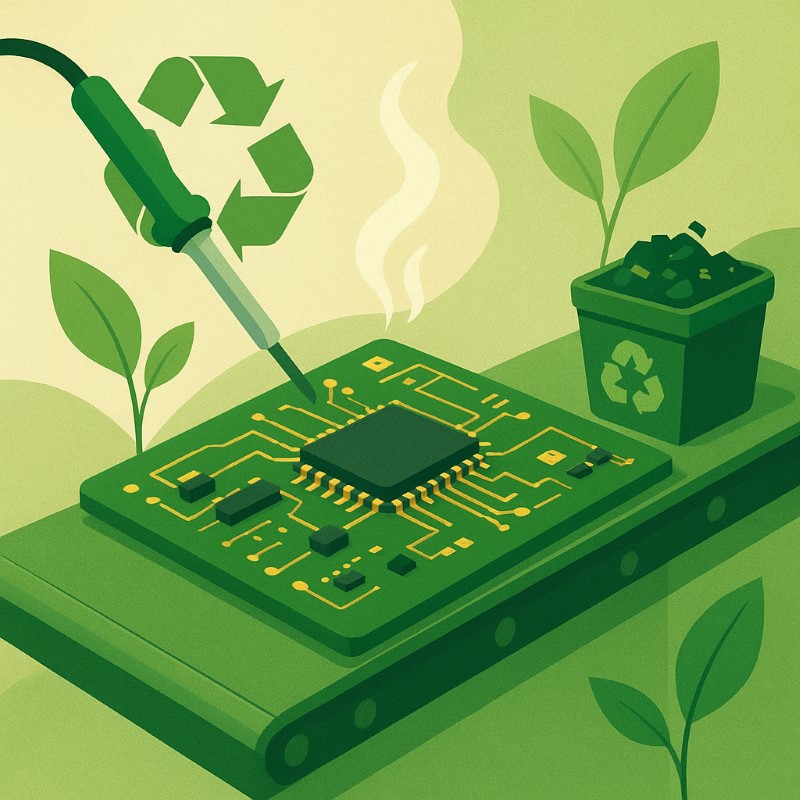
Recycling and End-of-Life Solutions
Vape devices often end up as e-waste due to integrated batteries and compact designs. To address this, manufacturers are introducing:
-
Modular PCBs
Boards designed for easy separation facilitate material recovery and recycling. -
Take-Back Programs
Partnering with retailers to collect used devices encourages responsible disposal. -
Circular Economy Practices
Reusing recovered metals and laminates minimizes virgin material demand and closes the production loop.
Building recyclability into the design of electronic nicotine PCB boards enhances compliance while aligning with global sustainability trends.
Regulatory Drivers of Green PCB Adoption
Global regulations increasingly emphasize environmental stewardship. In markets like the EU and the U.S., compliance with RoHS and WEEE directives is mandatory, restricting hazardous substances and requiring recyclability. Adhering to these frameworks provides competitive advantages while ensuring smooth entry into regulated markets.
For manufacturers in the vaping industry, proactively adopting sustainable PCB practices positions brands as responsible innovators while mitigating legal and reputational risks.
Conclusion
The future of electronic nicotine PCB boards lies in harmonizing performance with environmental responsibility. By embracing sustainable materials, energy-efficient production methods, and end-of-life recyclability, manufacturers can reduce ecological impact while enhancing device reliability.
RIMYI’s solutions integrate these innovations into every phase of PCB design and manufacturing, helping partners stay ahead of regulatory demands and consumer expectations. As the vaping industry evolves, brands that invest in green technology will secure a stronger, more sustainable position in the global market.