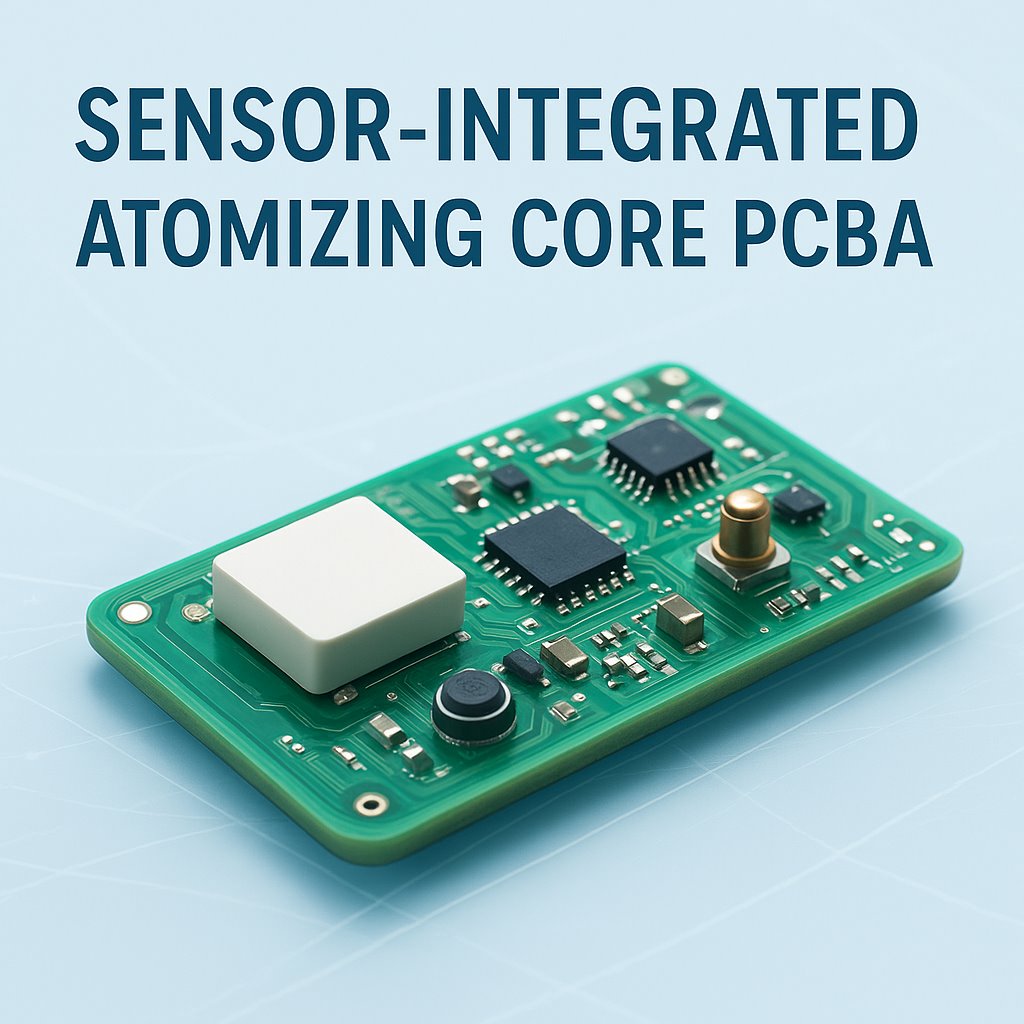

As the demand for reliable and durable vaping devices continues to grow, electronic atomizer PCB solutions design has become increasingly focused on environmental resilience. Among the many factors that determine product longevity, moisture resistance stands as one of the most critical. In a vaping device, the atomizer motherboard operates under conditions of heat, humidity, and exposure to vapor. Without proper protection, the circuit is vulnerable to corrosion, electrical leakage, and performance degradation. Therefore, the application of protective coatings has become an essential step in enhancing the durability and stability of electronic atomizer PCB solutions.
1. The Role of Protective Coating in Atomizer PCB Design
A protective coating—often referred to as conformal coating—is a thin polymeric film applied to electronic assemblies. Its main purpose is to insulate the circuit from environmental stress such as moisture, chemical contaminants, and condensation. In electronic atomizer PCB solutions, this coating plays a decisive role in safeguarding components against the effects of vaporized e-liquid and the fluctuating temperatures generated during operation.
By forming a moisture-resistant barrier over the sensitive areas of the board, the coating ensures that electrical conductivity remains stable even in high-humidity conditions. Moreover, it prevents oxidation on metal terminals and solder joints, which can otherwise lead to signal distortion and short-circuiting.
 2. Moisture-Related Challenges in Atomizer Motherboard Applications
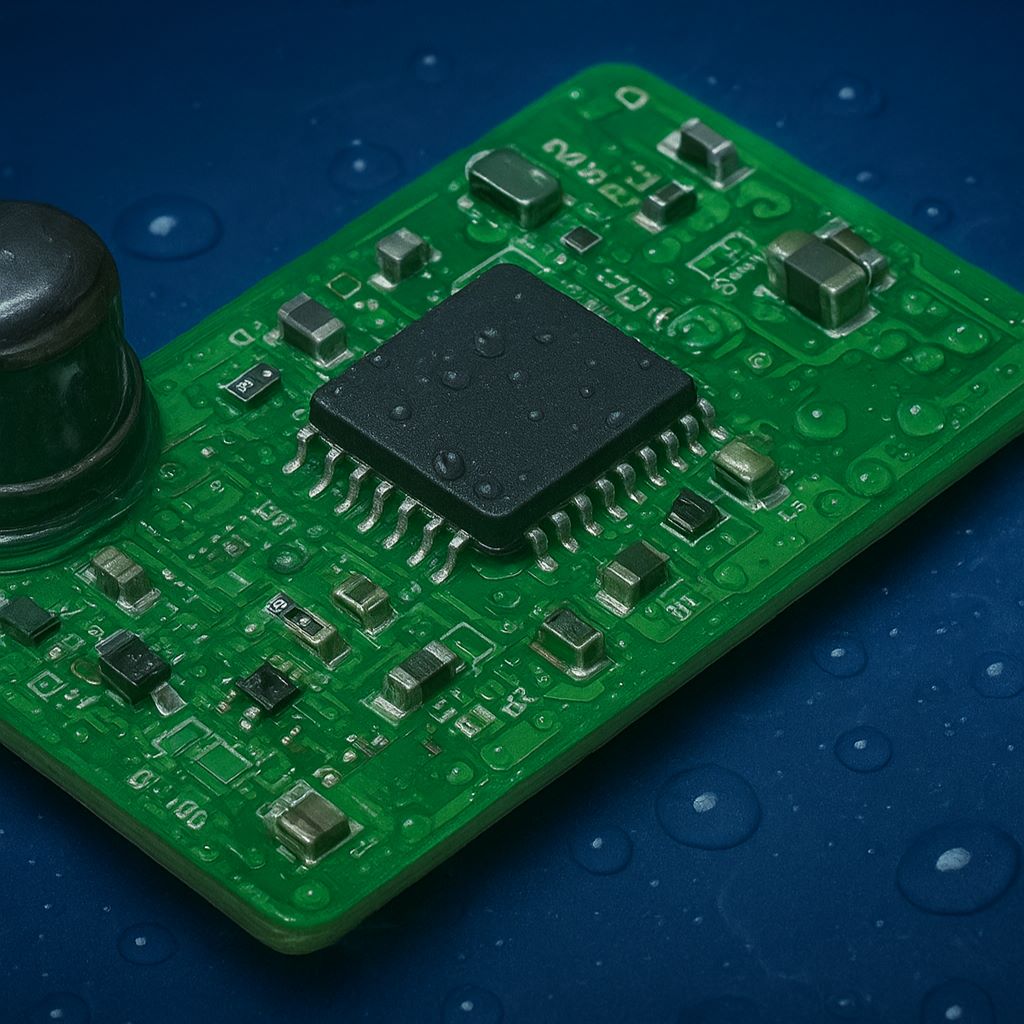
The internal environment of an atomizer is inherently humid and thermally active. When vapor condenses inside the device, it can create localized moisture accumulation on the PCB. Over time, this moisture may lead to electrochemical migration—a process where conductive metal ions move under electrical potential, forming unintended conductive paths. This can cause circuit malfunction or even device failure.
Additionally, the constant heating and cooling cycles in a vape can cause microscopic cracks in solder joints. These cracks increase the surface area exposed to moisture, accelerating corrosion. Therefore, without adequate protection, even a high-quality electronic atomizer PCB solution may experience reliability issues under prolonged use.
3. How Protective Coating Enhances Moisture Resistance
Protective coatings function as the first line of defense against environmental damage. The most commonly used coating materials include acrylics, silicones, urethanes, and epoxy resins. Each type has specific properties suited for different operating environments:
-
Acrylic coatings provide good humidity resistance and are easy to repair.
-
Silicone coatings perform exceptionally well under thermal stress and temperature fluctuations.
-
Urethane coatings offer strong resistance to chemical exposure.
-
Epoxy coatings deliver superior adhesion and mechanical protection.
For atomizer motherboards, silicone and acrylic coatings are often preferred due to their balance of flexibility and thermal endurance. The coating encapsulates critical components, minimizing direct contact with moisture while maintaining heat dissipation capability.
Furthermore, manufacturers have developed nanocoating technologies that enhance hydrophobic performance. These coatings repel water at the molecular level, significantly reducing the risk of moisture ingress while maintaining lightweight and transparent characteristics.
4. Process Optimization in Coating Application
The effectiveness of a protective coating depends not only on the material but also on the application process. Before coating, the PCB surface must be thoroughly cleaned to remove flux residues, dust, or ionic contaminants. Any impurity can hinder adhesion and compromise the coating’s integrity.
Coating can be applied through various methods—such as spraying, brushing, or selective coating using automated equipment. The choice of technique depends on production scale and design complexity. In high-end electronic atomizer PCB solutions manufacturing, selective coating systems are often used to precisely cover sensitive zones while keeping connectors, test points, and heat sinks exposed. This ensures a perfect balance between protection and functionality.
Curing conditions also play a critical role. Proper thermal or UV curing ensures that the coating forms a uniform, pinhole-free layer that maintains its mechanical strength even under repeated heating cycles.
 5. Balancing Protection and Performance
While moisture protection is vital, excessive coating can impede heat dissipation or add unnecessary weight to the assembly. Engineers must therefore strike a balance between protection and performance. The coating thickness should be optimized based on material type and operating temperature range.
In some advanced designs, hybrid protection techniques combine conformal coatings with encapsulation or potting compounds around specific components that are most exposed to humidity. This localized protection approach prevents over-insulation and preserves the thermal behavior of the system.
Furthermore, integrating protective circuit design within the PCB layout enhances moisture resistance from an electrical perspective. Features such as wider creepage distances, coated via holes, and sealed edge plating collectively contribute to improved durability.
6. Long-Term Reliability Testing and Validation
To ensure the coating performs effectively under real-world conditions, rigorous testing is conducted during product validation. Common tests include:
-
Humidity and temperature cycling tests to simulate condensation and evaporation conditions.
-
Salt spray tests to evaluate corrosion resistance.
-
Insulation resistance and leakage current tests to verify electrical stability.
By combining environmental stress tests with electrical performance evaluations, manufacturers can identify coating weaknesses and optimize both materials and processes. For electronic atomizer PCB solutions, such testing ensures that every unit maintains consistent performance over extended use in humid environments.
7. Advancing Toward Smarter Protection
With the evolution of e-cigarette technology, protective coatings are evolving as well. Smart coatings now incorporate self-healing materials that repair micro-cracks automatically. Additionally, environmentally friendly water-based coatings are being adopted to align with sustainable manufacturing goals.
RIMYI’s approach to electronic atomizer PCB solutions integrates multi-layer protection strategies—combining advanced coatings, anti-corrosion design, and real-time moisture detection sensors. This holistic strategy not only enhances reliability but also helps customers reduce maintenance costs and product returns.
8. Conclusion
Protective coatings significantly improve the moisture resistance and overall durability of atomizer motherboards. By carefully selecting materials, optimizing coating processes, and validating reliability through testing, manufacturers can deliver stable and safe vaping experiences.
In the broader context, these coatings represent more than just a protective layer—they symbolize the industry’s commitment to quality, safety, and long-term reliability. As RIMYI continues to innovate in electronic atomizer PCB solution development, it ensures that each product meets the highest standards of environmental resilience, helping global partners achieve dependable and future-ready vape technologies.