
 Shifting Paradigms in the Vaping Industry
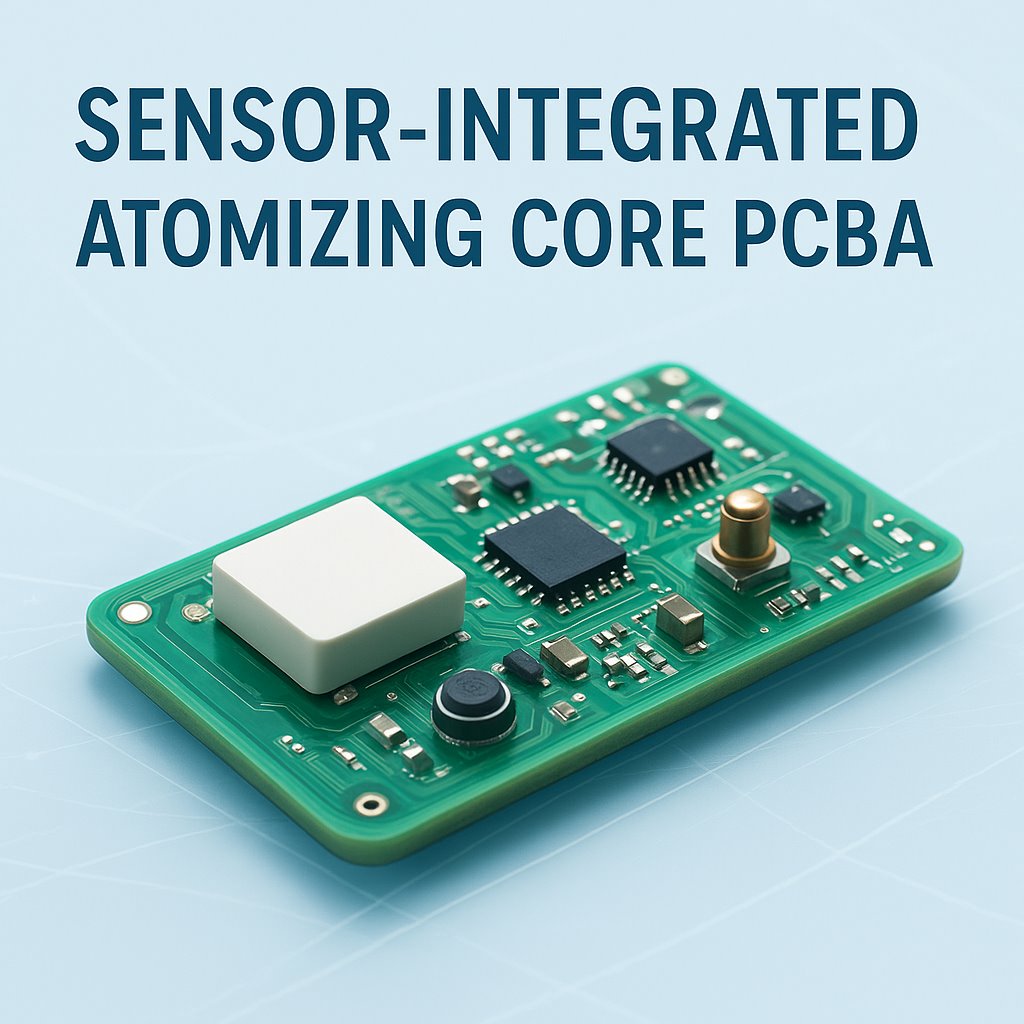
The electronic vaping industry has entered a new stage of innovation, where the focus extends beyond nicotine content and flavor. As global consumers become increasingly health-conscious, the demand for smarter, safer, and more efficient atomization technologies has surged. This transformation is largely driven by the rise of sensor-integrated atomizing core PCBAs, which represent the convergence of electronics, materials science, and smart sensing systems.
These advanced atomizing core PCBAs no longer act as simple power carriers for heating elements. Instead, they serve as intelligent control centers that monitor, regulate, and optimize the entire atomization process. Companies like RIMYI are leading this evolution by integrating micro-sensors, temperature control algorithms, and environmental detection modules into their PCBA solutions, ensuring precision, reliability, and a superior user experience.
The Role of Sensors in Modern Atomizing Core PCBAs
Sensor integration has fundamentally changed how atomizing systems function. In traditional vape devices, the PCBA mainly handled voltage regulation and basic safety mechanisms. However, in modern atomizing core PCBAs, multiple sensor modules now cooperate in real-time to deliver accurate control.
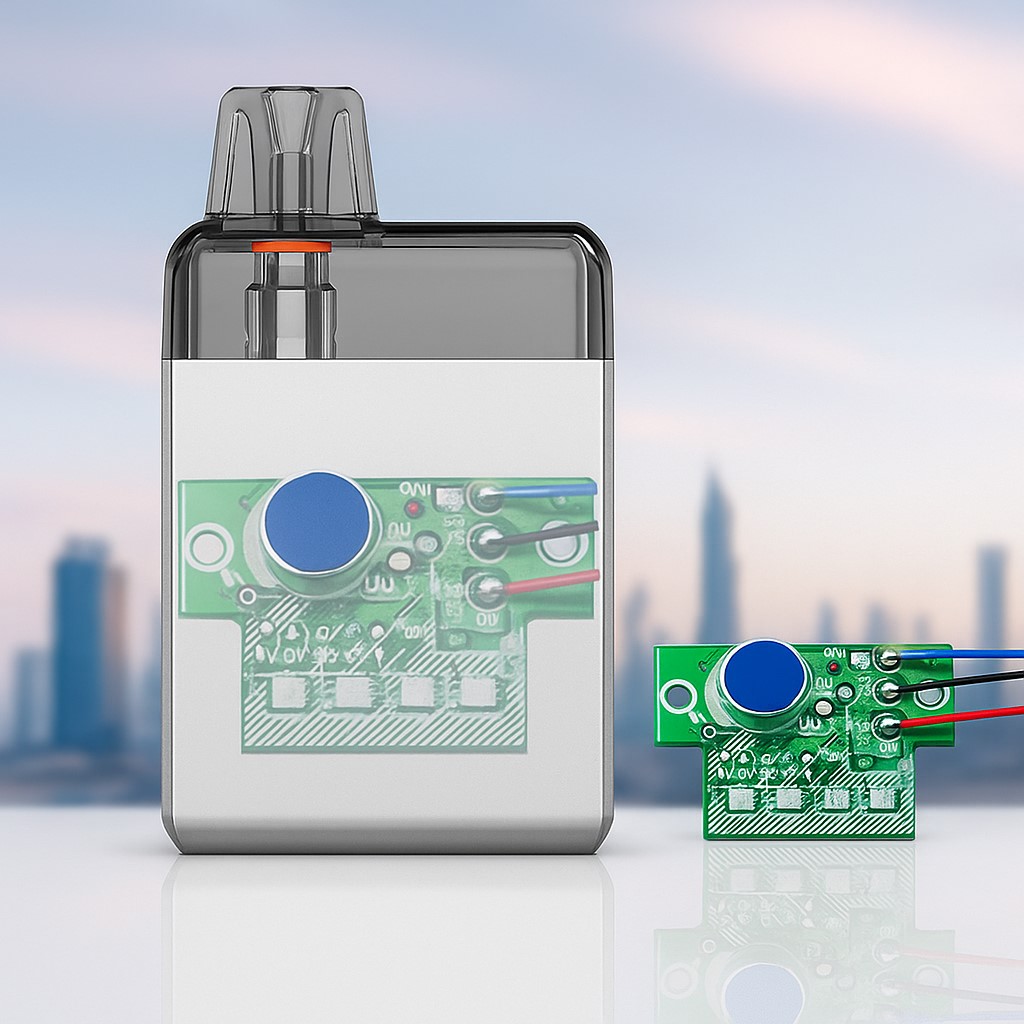
Temperature sensors maintain the coil’s optimal heating range, ensuring consistent vapor quality while preventing overheating or burnt taste. Humidity and pressure sensors help adjust vapor output to environmental conditions, improving stability and inhalation comfort. Airflow sensors enhance activation accuracy, reducing power waste and improving responsiveness. Together, these features create an intelligent ecosystem inside the atomizer core, transforming vaping from a simple act of inhalation into a refined, data-driven experience.
Precision Control and Power Optimization
One of the key strengths of sensor-integrated PCBA designs lies in their ability to maintain micro-level control over power distribution. Each atomizing session requires precise electrical modulation to heat the liquid efficiently without energy loss. RIMYI’s custom circuits utilize adaptive current feedback systems, which respond dynamically to sensor data, adjusting power output according to coil resistance and ambient temperature.
Moreover, these circuits employ low-power microcontrollers that manage power flow in real time, significantly extending battery life while maintaining consistent vapor density. This combination of energy efficiency and performance precision enhances both user satisfaction and sustainability, aligning with global trends toward eco-conscious product design.
Material Science and Environmental Durability
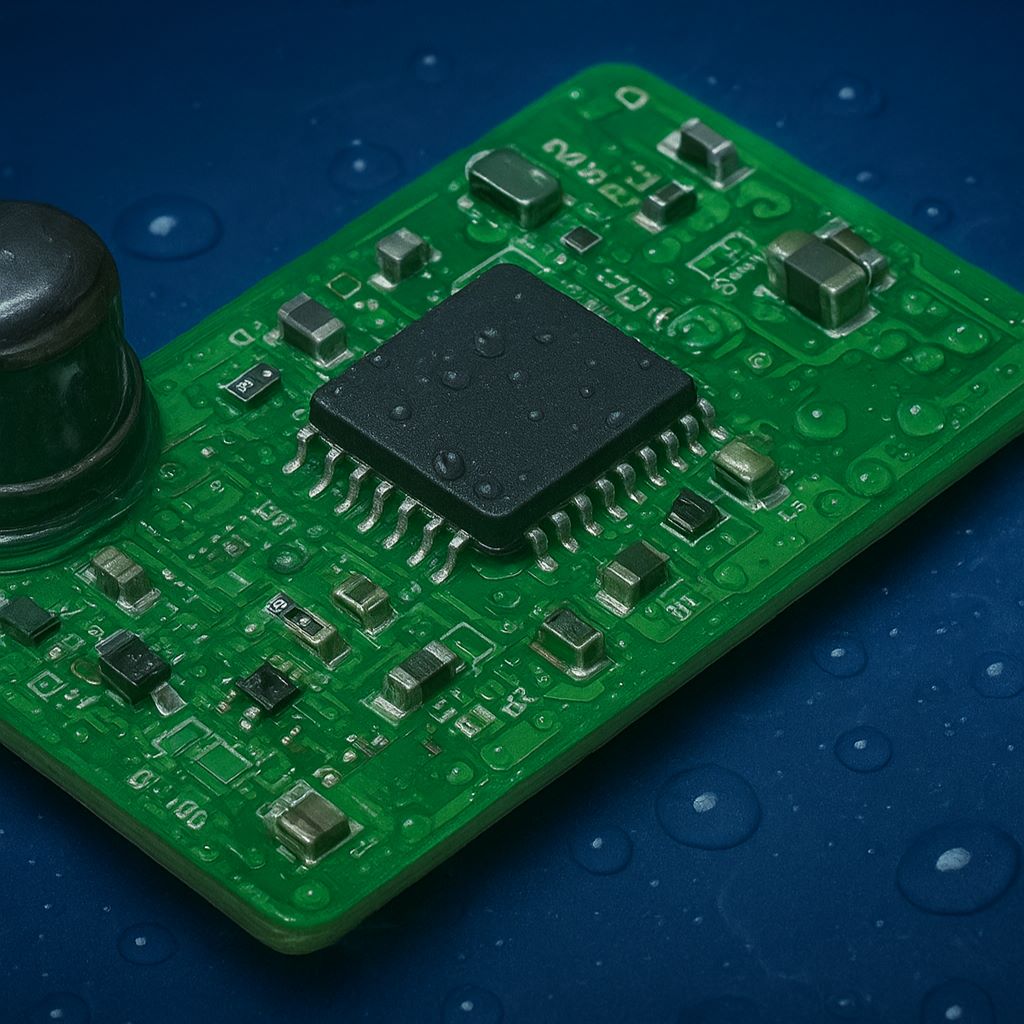
The reliability of atomizing core PCBAs depends heavily on the materials used. RIMYI prioritizes high-temperature-resistant substrates, corrosion-proof coatings, and moisture-repellent conformal layers to ensure long-term durability. As atomization involves exposure to varying levels of heat, humidity, and chemical vapor, the choice of protective materials is crucial.
Furthermore, anti-oxidation surface finishes such as ENIG (Electroless Nickel Immersion Gold) are applied to protect critical conductive paths. Combined with precision sensor encapsulation techniques, these materials prevent signal interference and maintain data accuracy. This comprehensive approach to reliability makes sensor-integrated PCBAs ideal for demanding smart vaping applications, especially in long-use and portable devices.
The Transition Toward Smart Atomization Ecosystems
The evolution of atomizing core PCBAs mirrors the broader movement toward interconnected smart systems. In the near future, vaping devices will form part of an IoT ecosystem where sensor data is collected, analyzed, and optimized through machine learning algorithms.
By integrating Bluetooth or Wi-Fi communication modules, RIMYI’s PCBAs can transmit operational data to companion apps, allowing users to personalize parameters such as vapor density, temperature profiles, and inhalation duration. At the same time, manufacturers can analyze aggregated data to refine firmware algorithms and enhance product safety through over-the-air updates.
This connectivity transforms atomization technology into a real-time adaptive process, allowing every puff to be precisely tailored and monitored.
Health-Oriented and Regulatory Perspectives
As governments tighten regulations on nicotine products, sensor-integrated PCBAs play a vital role in enabling compliance and innovation. Through embedded monitoring systems, these circuits can detect abnormal conditions, record usage data, and ensure consistent product behavior within safety limits.
From a health perspective, these designs allow the gradual reduction or complete elimination of nicotine dependency by maintaining a consistent vapor experience without compromising satisfaction. By replacing traditional control mechanisms with intelligent systems, manufacturers can guide users toward nicotine-free alternatives while maintaining flavor precision and atomization quality.
Manufacturing Excellence and Quality Assurance
The integration of sensors into atomizing core PCBAs requires advanced production capabilities. RIMYI adopts automated SMT processes, high-precision pick-and-place machinery, and multi-layer circuit validation protocols to guarantee product consistency. Each board undergoes functional testing, including signal stability analysis, power cycle durability, and environmental aging assessments.
These strict procedures ensure that every PCBA meets both electrical and mechanical performance standards. Additionally, firmware calibration plays a key role in aligning sensor readings with the atomizer’s physical characteristics, resulting in seamless interaction between hardware and software.
Through this combination of automation, testing, and calibration, RIMYI delivers industrial-grade reliability for vaping solutions, setting a benchmark for quality within the industry.
Future Trends: From Data Intelligence to Adaptive Systems
As vaping technology continues to evolve, the future of atomizing core PCBAs will emphasize adaptive intelligence and real-time optimization. Next-generation circuits will combine multi-sensor fusion to simultaneously analyze temperature, air pressure, and chemical patterns. This integration will dynamically adjust vapor output for improved performance and consistency across different usage scenarios.
Moreover, artificial intelligence algorithms will interpret this data to predict heating curves and minimize material consumption. They will also help extend the overall lifespan of components through smarter energy management. At the same time, ongoing miniaturization will enable sleeker, lighter, and more portable device designs. These compact forms will enhance both user comfort and aesthetic appeal without sacrificing power.
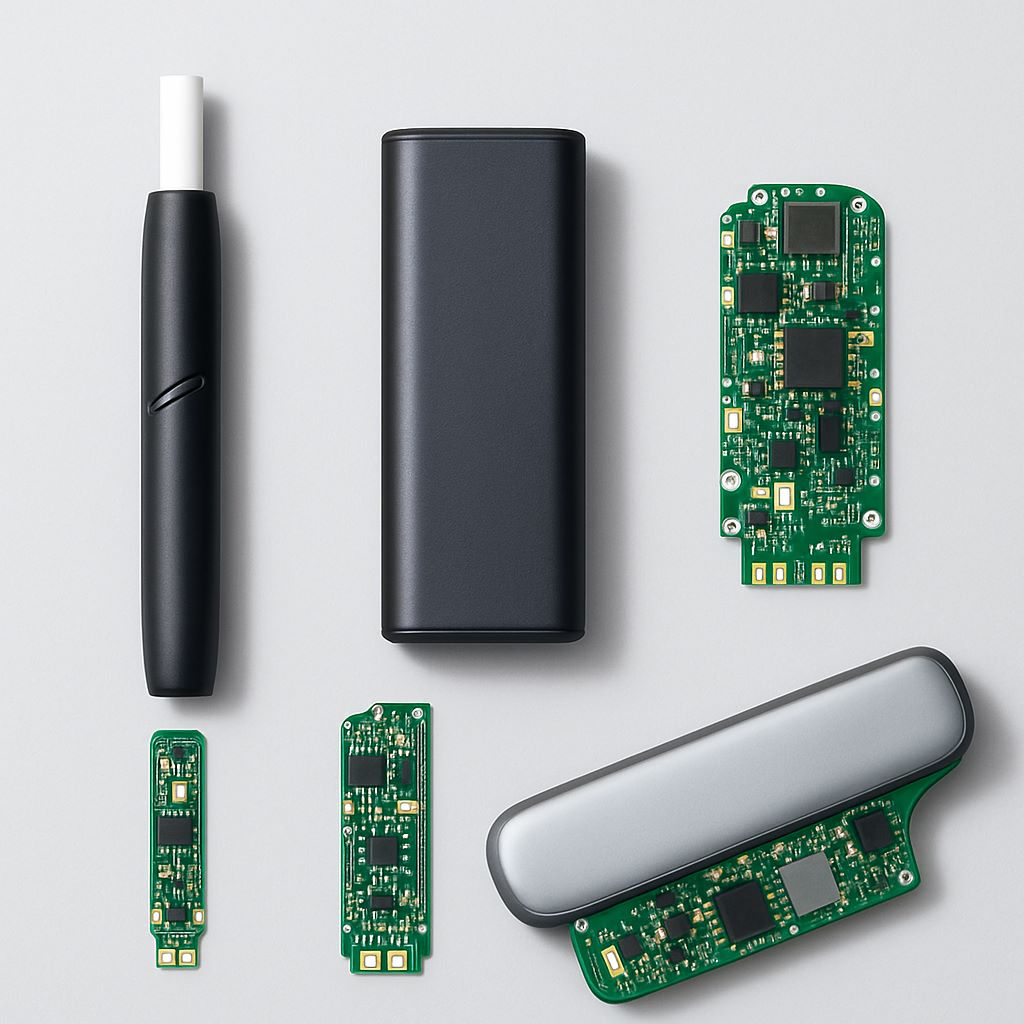
Meanwhile, RIMYI continues to pioneer modular PCBA frameworks for versatile atomization systems. These flexible solutions can easily adapt to disposable and reusable vape models alike.
Ultimately, this approach ensures scalability, sustainability, and reliable long-term partnerships for OEM clients.
Conclusion: Redefining the Core of Intelligent Atomization
The emergence of sensor-integrated atomizing core PCBAs marks a defining moment in the evolution of smart vaping technology. By integrating sensing, control, and communication into a single compact system, these boards transform atomizers into intelligent, self-regulating devices that enhance both performance and user well-being.
RIMYI’s expertise in electronic atomizer PCB solutions demonstrates how engineering precision can align with health-conscious innovation. As the industry moves beyond nicotine dependence, the future lies in smarter, safer, and more sustainable atomization ecosystems. Through continued research and integration, these intelligent core PCBAs will lead the shift toward a truly connected and responsible vaping experience.