

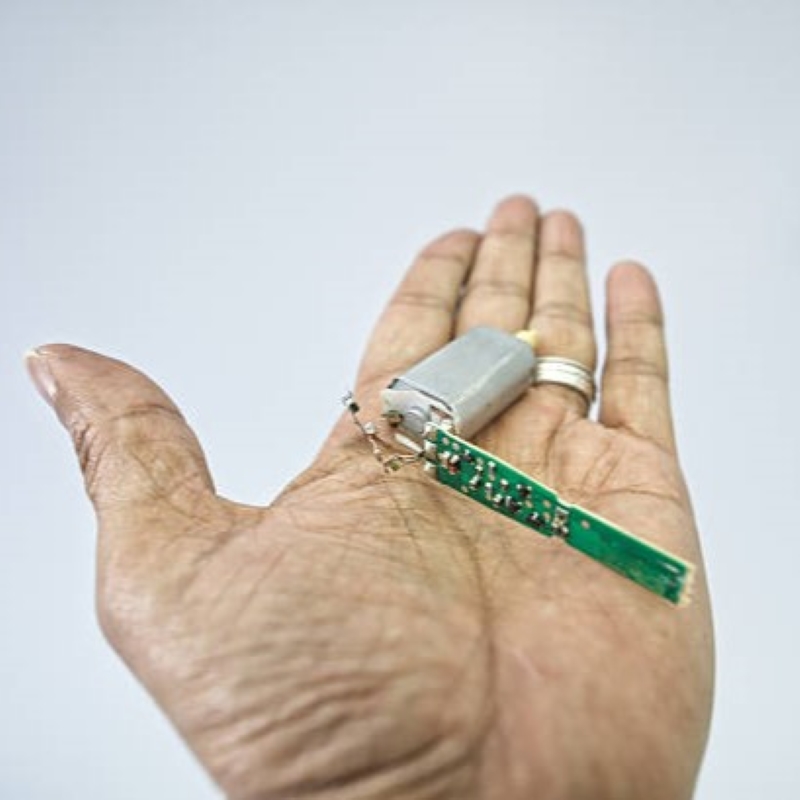
Choosing the right activation method defines the user experience of any vape device. Product managers must decide between seamless convenience and tactile control. Both systems rely on a specialized small-sized e-cigarette PCB module to manage power. However, each technology offers distinct advantages for different target markets. This guide compares airflow induction and button triggers for modern hardware. We help you select the best ignition “personality” for your next product.
1. Comparing the Two Activation Personalities
Different users prioritize different sensations when they start a puff. Use this table to evaluate the technical trade-offs of each system.
| Dimension | Airflow Induction (Auto-Draw) | Button Trigger (Manual) |
| User Experience | Intuitive; mimics traditional smoking | Tactile: creates a ritual feeling |
| Response Speed | Slower (Sensor must detect air) | Instant (Fire occurs on click) |
| Power Consumption | Higher standby (Constant sensing) | Very low standby power |
| Reliability | Sensitive to dust and leaks | Highly stable and durable |
| Cost | Higher (Requires precise sensor) | Lower (Simple mechanical switch) |
2. Airflow Induction: The Peak of Convenience
Airflow sensors allow for a “draw-activated” or “buttonless” design. This is the standard for most modern pod systems and disposables.
The Setup Advantages
This method provides the most natural transition for former smokers. You simply inhale to activate the small-sized e-cigarette PCB module. Consequently, the device remains sleek without any protruding buttons. It creates a minimalist aesthetic that many users find very attractive. Therefore, it is the top choice for compact, lifestyle-oriented products.
The Technical Challenges
However, airflow sensors are delicate electronic components. They can misfire if condensation or dust enters the sensor hole. Furthermore, the PCB must stay in a “low-power” sensing mode constantly. Consequently, the standby battery drain is slightly higher than that of button-only devices. You must use high-quality sensors to ensure a consistent and safe experience.
3. Button Triggers: The Reliable Ritual
Manual buttons give the user total control over the heating process. This remains the preferred method for high-power mods and advanced kits.
The Setup Advantages
Buttons offer an instant response with zero delay. You press the button, and the coil heats up immediately. Consequently, users can “pre-heat” the coil before they start inhaling. This results in a warmer, more flavorful first puff. Furthermore, buttons are much more resistant to internal leaks or environmental moisture. Therefore, they offer superior long-term reliability for heavy users.
The Power Management Benefits
A button-triggered small-sized e-cigarette PCB module is very efficient. The circuit only fully wakes up when the user physically presses the switch. Consequently, these devices can stay in standby mode for months without significant battery loss. Furthermore, physical buttons allow for simple safety locks (like five clicks to turn off). This prevents accidental firing in a pocket or bag.
4. Advice for Product Managers: Choose Your User
Your choice should depend on the lifestyle of your target audience.
-
For Entry-Level Users: Choose airflow induction to simplify the experience. It feels familiar and requires no learning curve for beginners.
-
For Enthusiasts and “Pro” Users: Choose button triggers for precision and power. These users enjoy the tactile “click” and the instant vapor production.
-
The Hybrid Approach: Some premium boards now support both modes simultaneously. This provides the ultimate flexibility for any vaping style.
Conclusion: Engineering the Perfect Puff
The activation method is the primary “handshake” between the user and the technology. A well-designed small-sized e-cigarette PCB module must handle either path with stability.
Focus on reliability and response time when selecting your hardware. Airflow sensors offer modern elegance, while buttons provide classic durability. Do not settle for a “one-size-fits-all” solution in a competitive market. Match the ignition style to your brand’s unique identity. Let professional PCB engineering elevate every inhalation into a premium experience.