

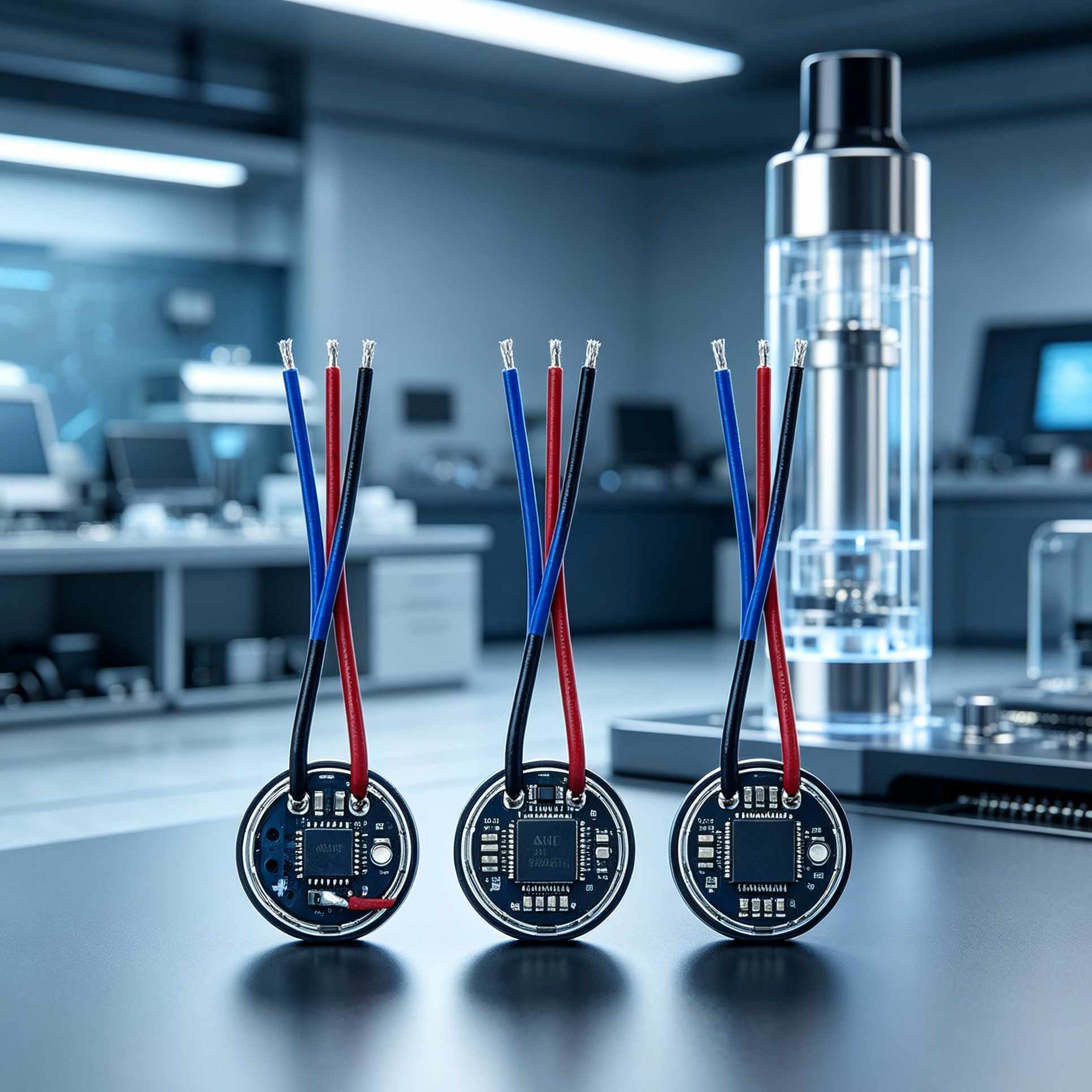
Modern electronic vaping systems require precise airflow detection, stable signal output, and strong safety protection to ensure consistent performance. As vape devices become smaller and more powerful, traditional sensor solutions may face challenges such as voltage instability, overheating risks, and signal interruptions. Therefore, manufacturers need advanced sensing components that can provide accurate detection while protecting the entire device system.
An ASIC vape sensor with protections offers an efficient solution by integrating intelligent protection functions and stable airflow sensing technology into a compact structure. With ASIC-based architecture, low power consumption, and multiple safety mechanisms, this sensor helps prevent device failures caused by electrical and thermal issues. RIMYI focuses on developing high-performance electronic vape components that support safer and more reliable vaping applications.
ASIC Architecture Ensures Stable Airflow Detection
Accurate airflow detection is essential for electronic cigarettes because it directly affects activation response and user experience. However, unstable signals or electronic failures may cause delayed responses or inconsistent operation. The R801AN14-Lxx-OP-150 (±50) PA electronic vape airflow sensor adopts an ASIC-based design, which eliminates common MCU-related problems such as system crashes and unexpected resets caused by unstable voltage. As a result, the sensor can provide continuous and reliable airflow signals during device operation. Furthermore, the ASIC structure allows manufacturers to achieve better integration and improved system stability. This makes the sensor suitable for compact vape devices that require high precision while maintaining a small internal design.
Short Circuit and Overheat Protection Enhance Device Safety
Safety is one of the most important factors in modern vape product development. Therefore, protection functions play a critical role in preventing electronic failures and extending product reliability. This ASIC vape sensor with protections integrates multiple on-chip safety features, including over-temperature protection, undervoltage protection, and inhalation time limitation. These functions help monitor abnormal operating conditions and reduce the risk of damage caused by excessive heat or an unstable power supply.
The over-temperature protection feature helps shield the device from heat-related failures by controlling performance when temperatures exceed safe levels. Meanwhile, undervoltage protection prevents unstable operation when battery power drops below the required threshold. In addition, the inhalation time limit function prevents continuous operation beyond 10 seconds, helping improve device safety and user protection. Together, these protection mechanisms create a more reliable vaping system.
Low Power Consumption Supports Compact Vape Designs
Battery efficiency is an important consideration for portable vaping devices. Therefore, sensors must provide accurate performance while consuming minimal energy. The R801AN14-Lxx-OP-150 (±50) PA sensor operates with static current below 5μA in power-saving mode. This extremely low power consumption helps extend battery life and supports longer device usage between charges. Moreover, the compact sensor design allows easy integration into small electronic cigarette structures without increasing product size or weight. This advantage provides greater flexibility for manufacturers developing lightweight and portable vape products.
Reliable Performance Under Complex Operating Conditions
Electronic vape devices may encounter challenges such as air leakage, oil contamination, and liquid backflow during daily use. Therefore, sensor durability is essential for maintaining stable airflow measurement. The sensor is designed to resist air leaks, oil leaks, and backflow, ensuring accurate detection of low differential pressure changes. This capability helps maintain consistent puff recognition and improves the overall user experience. Furthermore, the combination of high sensitivity and stable response speed allows the sensor to meet the requirements of modern vaping systems. Whether used in compact disposable devices or advanced electronic products, the sensor provides dependable airflow control.
Key Advantages of ASIC Vape Sensor Protection Technology
The main features that make this sensor suitable for advanced vape applications include:
- ASIC-based architecture for stable and continuous airflow signals
- Short-circuit and overheat protection for improved device safety
- Ultra-low power consumption below 5μA in standby mode
- Compact structure for space-saving vape designs
- Resistance against air leaks, oil leaks, and backflow
- Fast response and accurate low-pressure detection
| Feature | Benefit |
|---|---|
| ASIC-Based Design | Provides stable signal processing and reduces MCU-related failures |
| Over-Temperature Protection | Prevents heat damage and improves device reliability |
| Undervoltage Protection | Maintains safe operation during low battery conditions |
| 5μA Low Power Mode | Extends battery life for portable vape devices |
| Compact Structure | Supports miniaturized electronic product designs |
| Leak Resistance | Ensures accurate airflow detection in complex environments |
Supporting Next-Generation Vape Product Development
With increasing demand for safer and more efficient electronic vaping products, manufacturers require components that combine performance and protection. Therefore, selecting a reliable airflow sensor can significantly improve product quality and user satisfaction. RIMYI provides advanced sensor solutions designed for modern vape systems, offering stable detection, intelligent protection, and efficient power management. The integration of ASIC technology and safety functions allows manufacturers to develop products with improved reliability and longer service life. An ASIC vape sensor with protections provides a balanced solution for manufacturers seeking accurate airflow control and enhanced device safety. By preventing overheating, short-circuit risks, and unstable operation, this sensor helps create more dependable vaping systems for future applications.