

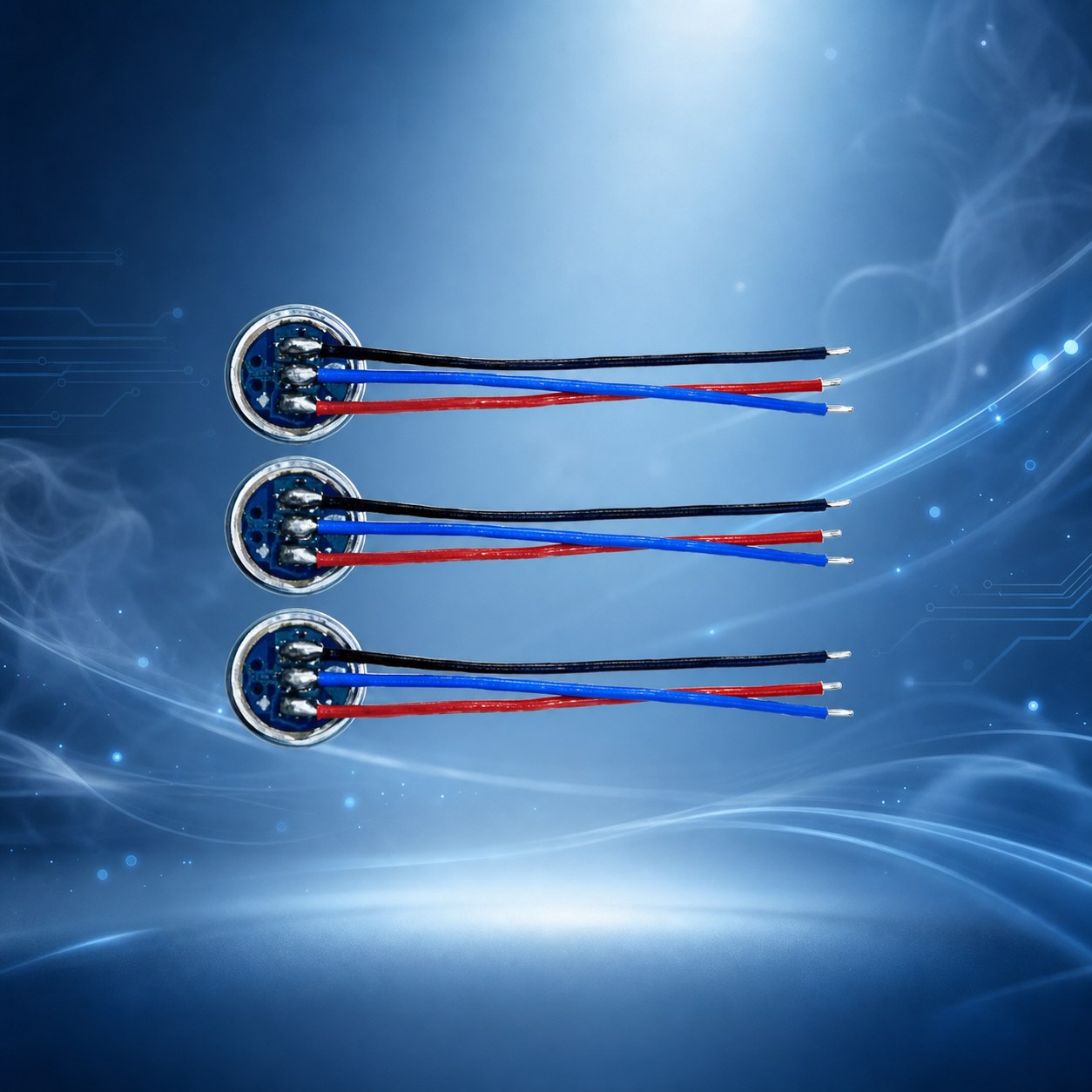
In modern electronic vaping systems, automatic activation depends heavily on the accuracy of airflow detection. However, in real-world usage conditions, users sometimes report unexpected activation or continuous firing without inhalation. This issue is often related to how the system interprets pressure changes inside the device. In many cases, a vape inhalation airflow sensor is designed to detect subtle air pressure differences when the user inhales. Therefore, even small environmental disturbances or internal contamination can affect sensor behavior and trigger unintended activation.
Why False Firing Happens in Real Devices
A single factor does not cause false firing. Instead, it is usually the result of multiple mechanical and environmental influences working together. For example, condensation buildup, airflow blockage, or internal pressure imbalance can all confuse the sensor system. Meanwhile, manufacturing tolerances also play a role. Slight differences in sensitivity calibration may cause some devices to respond faster or more aggressively than intended.
Common Causes of False Firing
| Cause | Description | Impact on Device |
|---|---|---|
| Condensation buildup | Liquid accumulation near the sensor area | Random activation or delayed shutdown |
| Airflow blockage | Dust or debris in the air channel | False triggering or weak response |
| Over-sensitive calibration | Sensor reacts to minimal pressure changes | Continuous or accidental firing |
| Structural leakage | Internal air pressure instability | Uncontrolled activation cycles |
| Environmental humidity | Moisture affects pressure reading | Unstable performance behavior |
How Airflow Sensor Behavior Affects Stability
When a vape inhalation airflow sensor becomes overly sensitive, it may interpret minor pressure fluctuations as inhalation. As a result, the system may trigger heating even when the user is not actively drawing. In addition, if the airflow channel is partially blocked, the pressure inside the chamber may not reset properly. Therefore, the sensor remains in an active state longer than expected, leading to false firing behavior.
Engineering Considerations Behind Sensor Accuracy
To reduce false activation risk, manufacturers must balance sensitivity and stability. A highly sensitive sensor improves responsiveness but increases false triggering risk. Meanwhile, a more conservative calibration improves stability but may reduce user responsiveness. RIMYI focuses on optimizing this balance through structural airflow design and signal filtering techniques. As a result, device response becomes more stable under varying usage conditions.
Environmental Influence on Sensor Performance
In addition, environmental conditions play an important role in system behavior. For example, temperature changes can affect air density, while humidity can introduce micro-condensation inside the airflow channel. Therefore, even a well-calibrated vape inhalation airflow sensor may behave differently depending on usage environment. This explains why identical devices can show different performance in real-world conditions.
Stability Optimization Strategies
To improve reliability, engineers typically apply several strategies:
- Multi-stage airflow filtering to reduce false triggers
- Condensation-resistant internal chamber design
- Optimized pressure sensitivity threshold settings
- Reinforced sealing to prevent leakage into sensor area
- Adaptive response timing control
These improvements help stabilize system behavior and reduce unintended activation events.
Conclusion
In conclusion, false firing is a multi-factor issue influenced by design, environment, and sensor sensitivity. A properly engineered system significantly reduces these risks while maintaining fast response performance. When optimized correctly, a vape inhalation airflow sensor can deliver stable activation behavior with minimal false triggering. Through refined engineering approaches, companies like RIMYI continue improving reliability and user experience in modern vaping systems.