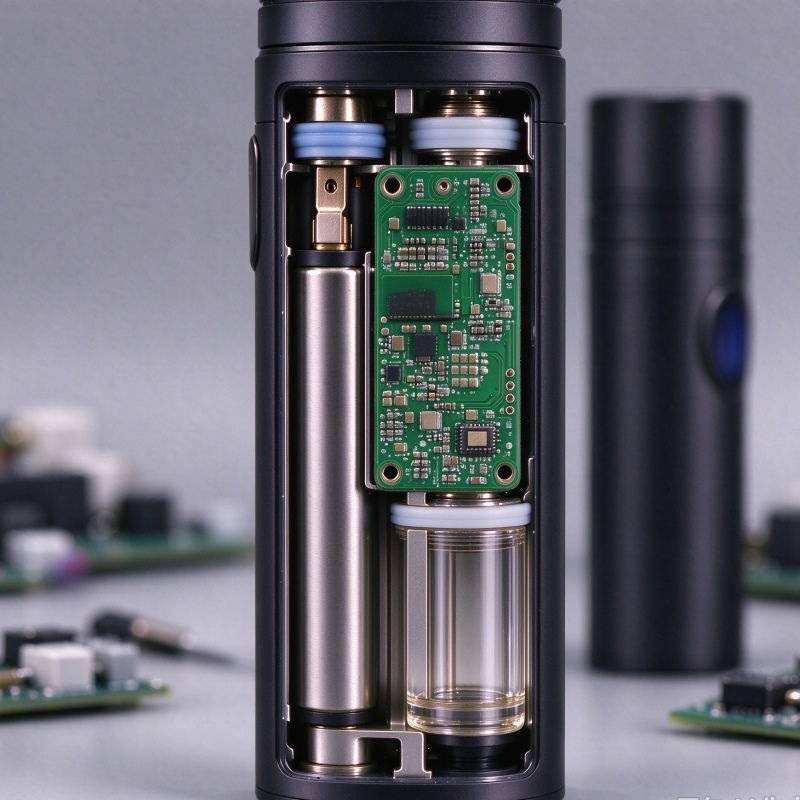

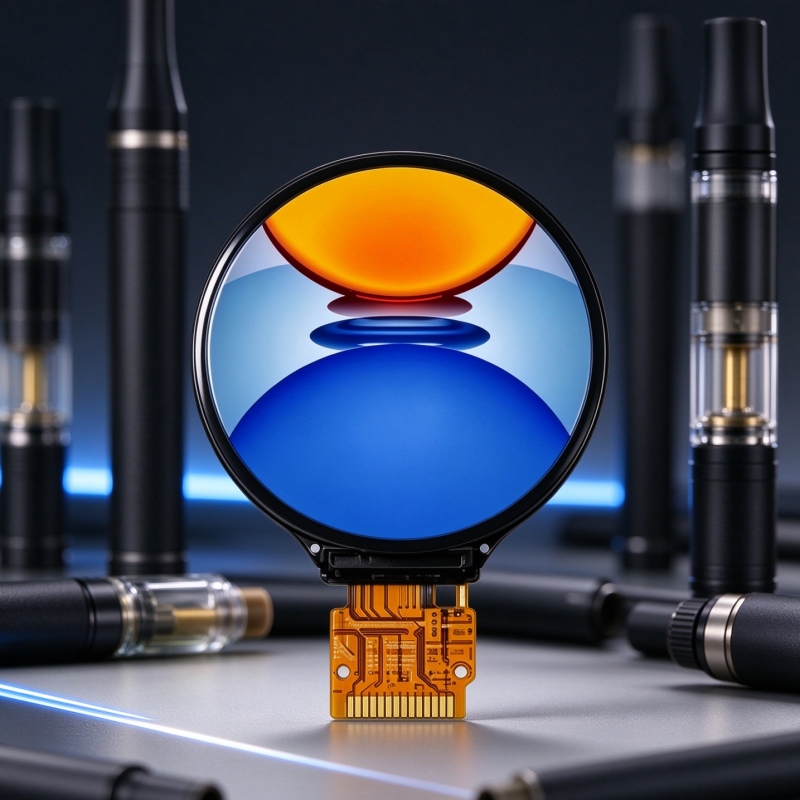
Display technology plays an important role in how users interact with modern vape devices. A clear interface helps users understand battery status and other device information, while a distinctive visual design gives brands more opportunities to differentiate their products. A TFT e-cigarette battery display board combines a compact display module with electronic control interfaces, allowing manufacturers to develop customized screen layouts and visual elements. For brands planning new product lines, choosing the right display specifications and customization options can improve both interface usability and product consistency.
1. Why Display Customization Matters
An effective user interface should present information clearly without making the screen feel crowded. Battery indicators, icons, typography, and visual layouts all influence how easily users can understand the information displayed. Therefore, brands should define their interface requirements according to the device’s screen size, product design, and intended functions before selecting a display module. Different product formats also require different design approaches. Big-screen e-cigarettes may provide more room for graphics and detailed layouts, whereas a Pod-style electronic cigarette generally benefits from a compact interface that prioritizes essential information. By adapting screen content to the available display area, manufacturers can create a consistent visual experience without compromising the physical design of the device.
2. Key Display Specifications and Their Applications
The N139-3636TBWPG41 display module is designed for compact electronic devices that require a small color display. Its TFT panel, integrated backlight structure, and QSPI/4-spi interface provide a hardware foundation for product-specific UI development. Meanwhile, the module’s electrical and dimensional requirements help engineering teams assess compatibility with the host electronic system.
The following table summarizes the supplied technical specifications for product evaluation and OEM development.
| Technical parameter | Specification |
|---|---|
| Model | N139-3636TBWPG41 |
| Listed resolution | 96 × 54 |
| Number of pixels | 360RGB × 360 |
| Visible area | 35.1 × 35.1 mm |
| Panel size | 37.80 × 39.77 × 1.41 mm |
| Display color | White |
| Driver IC | GC9B71 |
| Module thickness | 1.5 mm |
| Driving voltage | 2.5–3.3 V |
| Backlight type | Glue-Iron Integrated |
| Backlight voltage | 3.0 V |
| Brightness | 400 cd/m² |
| Operating temperature | -20°C to 70°C |
| Storage temperature | -30°C to 80°C |
| Interface | QSPI/4-spi |
The supplied specifications list both a resolution of 96 × 54 and a pixel count of 360RGB × 360. These values should be confirmed with the manufacturer before finalizing the display design, as they may refer to different specifications or require clarification. In addition, the panel dimensions, voltage requirements, and interface should be checked against the host PCB and enclosure before production.
3. Integrating the Display with the Electronic System
A display module must work reliably with the surrounding electronics rather than operate as an isolated component. Its interface, voltage requirements, backlight design, and physical connections all affect integration with an electronic cigarette circuit board. Consequently, engineering teams should confirm hardware compatibility early to reduce design revisions during development. The e-cigarette battery and display system should also be considered together during power management design. Screen brightness, refresh behavior, and display activity can influence power consumption, so the appropriate settings depend on the intended application. By defining these requirements in advance, brands can balance visual clarity, interface responsiveness, and the available power budget.
When reviewing integration requirements, manufacturers should focus on several key areas:
- Electrical compatibility: Confirm the driving voltage, backlight voltage, and interface requirements.
- Mechanical fit: Check the panel dimensions, module thickness, mounting method, and enclosure clearance.
- Interface development: Define the required icons, battery indicators, graphics, and screen layouts.
- Firmware coordination: Ensure that the display controller and host system can communicate as intended.
- Prototype validation: Evaluate screen appearance, responsiveness, and integration before approving production.
This coordinated process helps ensure that the selected display suits the complete device design.
4. OEM Customization for Different Vape Brands
For brands developing differentiated products, OEM customization provides flexibility in display appearance and interface design. Instead of relying on a standard visual layout, manufacturers can work from brand-specific requirements for graphics, icons, screen organization, and overall presentation. A TFT e-cigarette battery display board can therefore serve as the hardware foundation for a customized UI, provided the proposed functions are compatible with the display and host system.
Before starting a project, buyers should prepare a clear design brief covering the target device, available screen space, required interface elements, electrical requirements, and expected production quantity. This information helps the engineering team assess feasibility and recommend suitable configurations. Furthermore, early agreement on technical requirements makes it easier to coordinate display development, PCB integration, and prototype evaluation.
A capable OEM partner should offer support in areas such as:
- Technical assessment: Review display specifications and host-system compatibility.
- UI customization: Develop visual layouts, icons, and display content according to the project brief.
- Prototype support: Provide samples for engineering checks and design review.
- Production coordination: Manage approved specifications and revisions consistently.
- Quality control: Establish inspection criteria for display appearance and module assembly.
For projects involving multiple device models, a shared design framework can also help maintain visual consistency while allowing each product to use a suitable screen layout.
5. From Prototype to Production
Prototype evaluation allows brands to confirm whether the display meets their visual and technical requirements. During this stage, teams can review readability, brightness, physical fit, interface behavior, and compatibility with the host electronics. Any discrepancies in the technical specifications should also be resolved before the design moves into production. RIMYI can be referenced as the requested project contact for discussing customized display requirements, subject to confirmation of the relevant product and engineering capabilities. Buyers should provide their target specifications, interface concept, and integration requirements so the project team can assess the proposed solution. This approach supports clearer communication between product design, hardware engineering, and manufacturing.
Conclusion
A well-designed display can help vape brands establish a distinctive interface while keeping essential information clear and accessible. By evaluating panel specifications, electrical compatibility, mechanical dimensions, and customization requirements together, manufacturers can make better-informed decisions during product development. A TFT e-cigarette battery display board also offers a foundation for brand-specific UI development when its hardware and firmware requirements are properly aligned. With clear project specifications, prototype testing, and coordinated OEM support, brands can develop display solutions that fit their product designs and production objectives.