

Why Leak-Proof Engineering Matters More Today
The portable vape market continues to expand. However, leakage remains one of the most damaging issues for both users and brands.
- Leaks destroy cartridges.
- Leaks corrode circuits.
- Leaks cause product failure.
And leaks ruin user trust. Therefore, modern portable cartridge e-cigarettes require stronger engineering. This engineering must combine structural design with precision PCB management and intelligent heating systems.
Today’s leading solutions focus on preventing leakage at the source. They use advanced airflow control, real-time heating precision, and micro-level fluid behavior monitoring. The modern cartridge must work in many environments, and therefore it must handle pressure changes, viscosity shifts, and long storage cycles.
This article explains the full engineering logic behind leak-proof portable cartridge e-cigarettes. It examines how precision PCBs and smart heating systems work together. It also highlights how suppliers like RIMYI support brands with stable PCB solutions for mass-scale manufacturing.
Chapter 1: Understanding Leakage in Portable Cartridge E-Cigarettes
Before discussing solutions, we need to understand the true cause of leakage. Leakage never comes from a single factor. Instead, it results from combined mechanical, chemical, and thermal triggers.
First, viscosity changes occur during storage or travel. E-liquid becomes thinner under heat and thicker under cold. These changes shift flow rates. Poor control leads to overflow.
Second, air pressure changes push liquid out of the chamber. A cartridge moved from a cold room to a warm area expands inside. Without proper pressure balancing, liquid escapes.
Third, unstable heating creates hotspots. These hotspots thin the liquid near the coil. Thinned liquid flows faster and breaks the original sealing condition.
Fourth, poor PCB logic delivers inconsistent power. When the coil receives too much or too little heat, liquid cannot vaporize at the expected rate. Instead, it accumulates, floods, and then leaks.
Therefore, modern devices must integrate smarter PCBs. They must detect inhalation levels, adjust heating speed, regulate current output, and control coil temperature in real time.
Chapter 2: How Precision PCBs Protect Against Leakage
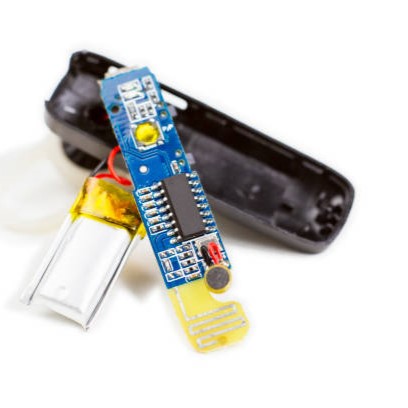
Modern portable cartridge e-cigarettes rely on precision PCB designs. These PCBs manage every core function.
- They regulate airflow sensors.
- They stabilize the heating element.
- They analyze inhalation strength.
Most importantly, they keep the internal system balanced.
2.1 Stable Power Delivery
Stable power delivery protects the coil from overheating. When current spikes occur, the system must correct the power instantly. A precision PCB performs this job. It controls voltage in microseconds. This prevents overheating and thinning of the liquid.
2.2 Temperature Feedback Loop
A temperature feedback loop monitors the coil in real time. The PCB reads the sensor output and adjusts the heat. Therefore, the temperature stays within a safe range. With stable temperature, the liquid stays at a constant viscosity. This reduces flooding risk.
2.3 Intelligent Puff Recognition
Cartridge performance changes with every puff. A strong puff demands fast heating. A weak puff needs slower heating. Precision PCBs analyze puff patterns and optimize the heating curve. This prevents liquid accumulation between puffs.
2.4 Seal Protection Algorithms
Several brands now add “seal protection algorithms.” These algorithms keep the coil warm at a minimal level during storage. This prevents condensation, reduces viscosity changes, and stops micro-leaks. RIMYI’s PCB logic includes these advanced features for premium brands.
Chapter 3: The Role of Heating Control in Leak-Proof Design
The heating system shapes the vaporization experience. It also shapes the device’s leak-proof performance. Poor heating control causes flooding, dryness, or pressure shifts.
3.1 Uniform Heating Profile
Uniform heating improves vaporization efficiency. When the coil heats evenly, liquid vaporizes at a steady rate. No hotspots appear. No cold spots remain. Therefore, no pooled liquid forms under the coil.
3.2 Pre-Heat Curve Optimization
Many modern devices use pre-heat curves. These curves raise the temperature in stages. The PCB controls the timing. This approach prevents sudden liquid thinning. Instead, the coil reaches the target temperature gradually. This reduces leakage risk.
3.3 Adaptive Heating Based on Viscosity
Cartridge liquid viscosity changes with environmental temperature. A smart PCB reads temperature sensor data. It adjusts heating speed based on the detected viscosity level. This produces consistent vaporization even in cold climates.
3.4 Real-Time Coil Protection
When airflow decreases, vapor production slows. Without intelligent correction, liquid accumulates. Therefore, PCBs monitor airflow sensors constantly. When airflow weakens, the PCB increases coil responsiveness. This prevents pooling and leakage.
Chapter 4: Structural and Mechanical Design That Strengthens Leak Prevention
PCB control alone cannot prevent all leaks. Mechanical factors also matter. Modern cartridges combine engineering structures with electronic control.
4.1 Dual-Seal Mouthpiece Architecture
A dual-seal structure increases leak resistance. It isolates the airflow path from the liquid chamber. Even under pressure changes, the seal remains stable.
4.2 Anti-Condensation Chamber Design
Condensation remains a major cause of leakage. Modern cartridges include anti-condensation chambers with guided airflow routes. These routes collect moisture and redirect it away from the coil.
4.3 Pressure-Balancing Valves
A pressure-balancing valve prevents liquid expansion from forcing its way out. These valves adjust to altitude and climate changes.
4.4 Smart Airflow Path
A smooth airflow path reduces turbulence. Less turbulence means fewer liquid droplets escape. PCBs also control airflow sensors to balance the air-liquid interaction.
 Chapter 5: How RIMYI Enhances Leak-Proof Engineering with PCB Expertise
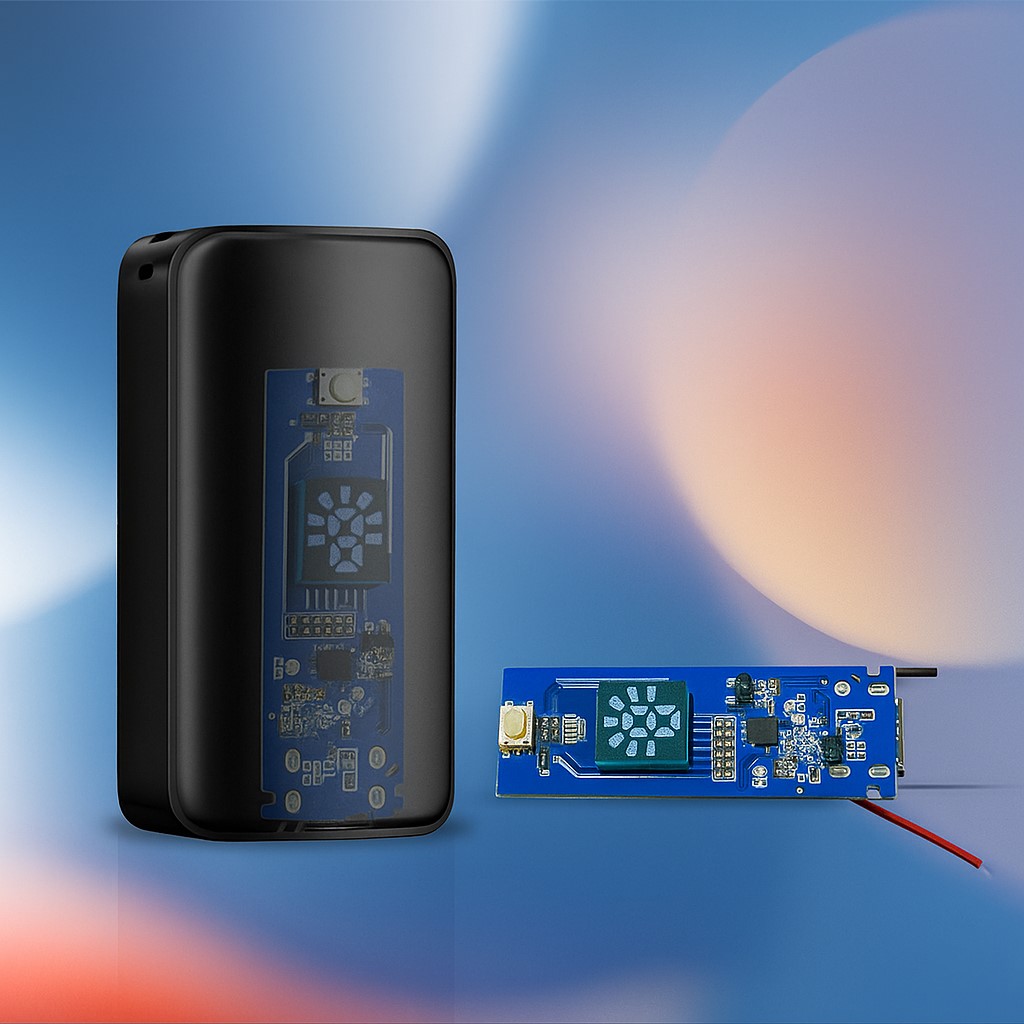
RIMYI focuses on high-precision PCBs for portable cartridge e-cigarettes. These boards support advanced leak-proof engineering through:
-
fast sensor response
-
stable current control
-
optimized heating curves
-
condensation prevention logic
-
multi-stage power delivery control
-
temperature feedback loops
-
real-time airflow calibration
Together, these features ensure device stability. They reduce manufacturer defect rates. They improve user satisfaction. And they help brands create leak-proof cartridges with strong competitive advantages.
Conclusion: The Future of Leak-Proof Cartridge E-Cigarettes
Leak-proof engineering requires more than mechanical sealing.
- It needs advanced PCB logic.
- It needs intelligent heating management.
- It needs integrated sensors and responsive algorithms.
As the market evolves, portable cartridge e-cigarettes will rely more on data, not guesswork. Sensors will read more variables. Heating systems will adjust faster. PCBs will manage more complex logic. These changes will reduce leakage further and enhance product safety.
RIMYI continues to support brands with precision PCB solutions. These solutions enable stronger leak-proof designs and smarter cartridge systems. The future of the industry will depend on engineering accuracy. And the companies that embrace this engineering will lead the next generation of portable cartridge devices.