

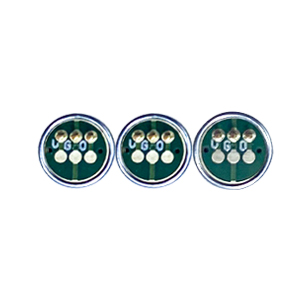
International vaping forums show a massive wave of consumer complaints regarding disposable vapes leaking into sensor components. This critical flaw ruins the user experience and damages brand reputations worldwide. Consequently, global buyers now look heavily for a definitive technical solution to this widespread problem.
When e-liquid or heavy condensation floods an unoptimized pressure switch, the internal diaphragm sticks instantly. This sticky residue triggers permanent failure or dangerous auto-firing cycles. Therefore, manufacturing a highly reliable device requires a deeply engineered oil-resistant vape airflow sensor design. This technical guide explores why traditional switches fail and how advanced material barriers protect modern hardware.
1. Anatomy of the Failure: How E-Liquid Destroys Standard Sensors
Understanding sensor failure requires looking closely at the physical properties of modern e-liquids and vapor condensation loops.
 Fluid Backflow Path:   [Thick VG/PG Droplets + Vapor] ──> [Airflow Canal] ──> ❌ Corrodes Unprotected Membrane
 Advanced Shield Path:  [Thick VG/PG Droplets + Vapor] ──> [White Protective Film] ──> ♻️ Blocked Safely Outside
Vegetable Glycerin (VG) and Propylene Glycol (PG) create a highly viscous, sticky fluid matrix. During heavy use, warm vapor cools down rapidly inside the dark structural chambers of a disposable device. This process creates high-humidity condensation that flows backward through the main intake paths.
Eventually, these heavy droplets enter the unprotected capacitive gaps of a standard airflow sensor. The thick fluid coats the micro-diaphragm, preventing the flexible membrane from moving freely under normal inhalation pressure. As a result, the sensor fails to register puffs or stays locked in an active firing state.
2. Material Innovation: The Oil-Resistant Protective Film Shield
Solving the leakage problem without sacrificing sensory responsiveness requires high-performance material science.
                  Traditional Membrane vs. RIMYI Shield Matrix:
   ┌──────────────────────────────────────────────────────────────────┐
   │ Standard Switch: Exposed metallic plate traps liquid droplets.   │
   ├──────────────────────────────────────────────────────────────────┤
   │ RIMYI Component: Integrated oil-resistant white protective film. │
   └──────────────────────────────────────────────────────────────────┘
The RIMYI system solves this dilemma by applying a specialized, oil-resistant white protective film over the internal membrane. This ultra-thin material barrier stops aggressive oils and water droplets from touching the fragile internal circuits.
Crucially, the advanced film maintains high flexibility under low pressure. It deflects effortlessly when a user takes a gentle puff, allowing the system to track tiny changes in air pressure perfectly. This setup establishes an absolute chemical barrier while maintaining excellent pneumatic activation speeds.
3. Space-Saving Architecture with Strong Anti-Interference Engineering
Modern disposable vapes feature incredibly tight internal layouts, leaving very little space for bulky safety components.
                      RIMYI Sensor Dimensional Blueprint:
 ┌──────────────────────────────────────────────────────────────────────┐
 │ Ultra-Compact Diameter: 6mm Form Factor   │ Micro Height: 2.5mm Body │
 └──────────────────────────────────────────────────────────────────────┘
 Result: Fits seamlessly into miniature pod housings with minimal components.
Our advanced sensor features a miniature footprint measuring just $6\text{mm}$ in diameter and $2.5\text{mm}$ in height. Therefore, this ultra-compact component fits easily into the tightest spaces inside slim portable devices.
Furthermore, high-capacity vape batteries and charging coils generate significant radio frequency (RF) and power noise. This electrical interference can easily trigger false starts in low-grade components. To solve this, our sensor utilizes a robust anti-interference layout. This smart shield blocks surrounding electrical noise, ensuring consistent, reliable performance in any environment.
4. Lowering Production Costs via System Integration Simplification
High-volume manufacturing requires maximizing operational efficiency while reducing your overall bill of materials (BOM).
 High External Part Counts ──> Complex Assembly Lines ──> ❌ High Labor Costs & Failure Risks
 Integrated Sensor Modules ──> Simplified Trace Routing ──> ♻️ Streamlined Automated Assembly
Many legacy pressure sensors require complex external filtering circuits to stabilize their signals. In contrast, the RIMYI hardware integrates these data-smoothing features directly into the silicon package.
Consequently, factory teams can deploy this module with minimal external circuitry. This smart simplification reduces your component sourcing costs and streamlines automated pick-and-place assembly lines. You save valuable engineering time while delivering a highly reliable, leak-proof device to your global customers.
Airflow Sensor Component Comparison Matrix
| Hardware Engineering Profile | Unoptimized Legacy Switch | RIMYI Oil-Resistant Sensor Component |
| Primary Fluid Protection | None; exposed capacitive elements | Integrated oil-resistant white protective film |
| Physical Component Size | Bulky housing restricts layout options | Ultra-compact 6 mm x 2.5 mm chassis profile |
| Electrical Noise Defense | High risk of false triggers from RF | Strong anti-interference circuit architecture |
| External Component Need | Requires extensive external filtering | Minimal auxiliary circuit dependency lowers BOM |
| Long-Term Field Reliability | High failure rates from sticky oil | Maintains absolute precision across life cycles |
Conclusion: Future-Proof Your Disposable Product Lines
Winning large supply contracts requires using components that eliminate common consumer complaints like leakage and auto-firing.
Stop risking your international brand reputation on unoptimized, legacy pressure switches that clog and freeze up during normal use. Upgrading your device blueprints to our advanced oil-resistant vape airflow sensor ensures total fluid isolation and clean, responsive performance. We engineer every micro-module to maximize factory assembly efficiency and deliver maximum uptime in the field.
Contact the RIMYI technical engineering group today to order component samples and secure your next production run.