

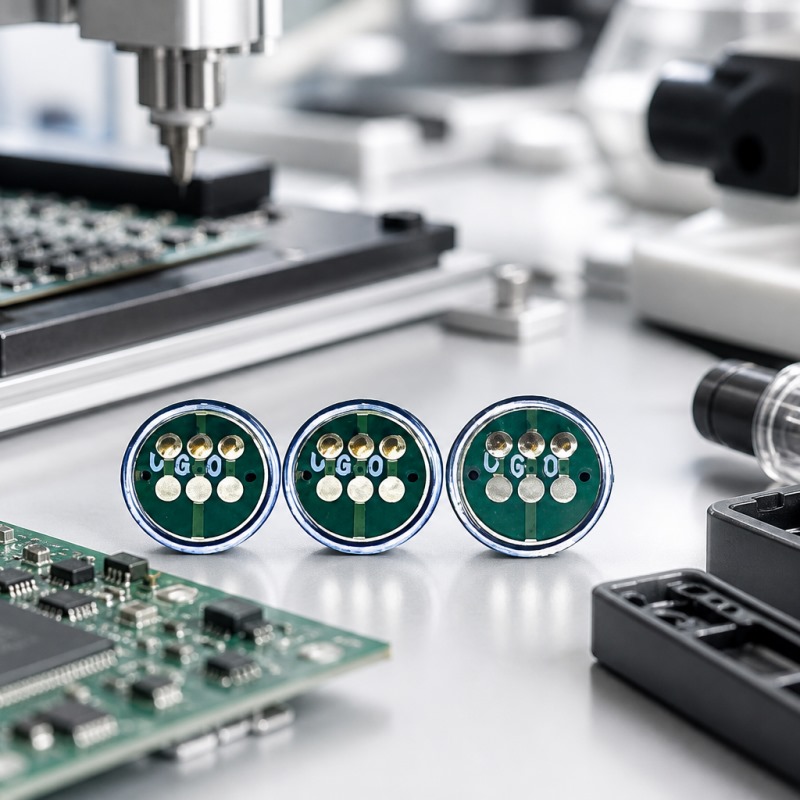
With the continuous development of vape device technology, manufacturers are focusing more on improving user experience, device reliability, and overall performance. Therefore, internal electronic components have become increasingly important in modern vape designs. Among these components, airflow sensing technology plays a key role in detecting inhalation behavior and controlling device responses. Traditional mechanical airflow detection solutions may have limitations in terms of accuracy, response speed, and integration flexibility. As a result, more manufacturers are adopting advanced sensor solutions that can provide better performance while maintaining compact device designs. An ASIC airflow sensor for vape devices integrates sensing functions and signal processing capabilities into a compact semiconductor-based solution. Moreover, this technology helps manufacturers create smaller, smarter, and more efficient vape products with improved airflow detection performance.
How ASIC Technology Improves Airflow Detection Performance
Airflow detection is essential for vape devices because it directly affects activation speed and user experience. Therefore, a reliable airflow sensor needs to respond quickly and accurately when users inhale. ASIC-based sensor solutions are designed with dedicated circuits that process airflow signals efficiently. Compared with traditional sensor structures, they can offer faster response times, lower power consumption, and better stability.
Furthermore, integrated circuit design allows manufacturers to optimize the sensor according to specific device requirements. This flexibility helps improve compatibility with different vape product designs.
| Feature | Design Advantage |
|---|---|
| Integrated Circuit Design | Reduces component size and improves integration |
| Low Power Consumption | Helps extend battery performance |
| Fast Signal Response | Provides smoother device activation |
| Stable Detection | Improves overall user experience |
Supporting Compact And Efficient Vape Device Designs
As vape devices become smaller and more portable, component size has become a major consideration for manufacturers. Therefore, compact electronic solutions are increasingly valuable in product development. An ASIC airflow sensor for vape devices provides a smaller footprint compared with traditional sensing systems. Moreover, its integrated structure reduces the need for additional external components, allowing designers to create more streamlined product layouts.
For manufacturers, this brings several advantages:
- Space Optimization
Smaller sensor designs provide more flexibility for internal device arrangements. - Improved Energy Efficiency
Low power consumption helps support longer device operation. - Simplified Product Development
Integrated solutions can reduce design complexity. - Enhanced Product Reliability
Fewer separate components may improve system stability.
Consequently, ASIC airflow sensing technology has become an attractive option for companies looking to develop next-generation vape devices with better performance and improved reliability.
Enhancing Safety Features Through Accurate Sensor Control
Besides improving activation performance, airflow sensors also contribute to device safety management. Therefore, precise airflow detection is important for controlling different protection functions. Modern vape devices may require features such as short circuit protection, overheating protection, and long inhalation protection. A high-performance airflow sensor can provide accurate input signals, allowing the control system to respond more effectively.
RIMYI focuses on developing reliable sensor solutions for vape applications, supporting manufacturers with components designed for stable performance and efficient integration.
| Safety Function | Sensor Application Value |
|---|---|
| Short Circuit Protection | Helps improve electrical safety |
| Overheating Protection | Supports safer device operation |
| Long Inhalation Protection | Controls extended usage conditions |
| Real-Time Detection | Enables faster system response |
Why Manufacturers Prefer ASIC Airflow Sensor Solutions
The vape industry requires components that balance performance, size, and cost efficiency. Therefore, manufacturers are increasingly choosing integrated sensor solutions that can meet multiple design requirements. An ASIC airflow sensor for vape devices offers advantages in several areas, including precise detection, compact construction, and reliable operation. Moreover, ASIC technology allows manufacturers to achieve better consistency during mass production.
Compared with conventional sensing approaches, ASIC solutions can provide:
- Higher Integration Capability
Combining multiple functions into one chip reduces system complexity. - Better Production Efficiency
Standardized sensor designs support stable manufacturing processes. - Flexible Product Applications
Suitable for different vape device structures and requirements. - Long-Term Performance Stability
Helps maintain consistent device operation over extended usage periods.
Future Trends Of Airflow Sensor Technology In Vape Devices
As vape devices continue evolving toward smarter and more compact designs, sensor technology will remain an important area of innovation. Therefore, manufacturers will continue seeking components that offer better accuracy, efficiency, and reliability. ASIC-based airflow sensing technology provides a strong foundation for future product development. Furthermore, improvements in semiconductor design may enable even smaller sensors with enhanced functions and lower energy requirements. By adopting advanced sensor solutions, vape manufacturers can improve device performance while meeting changing market expectations. Ultimately, airflow sensing technology will continue to influence the next generation of intelligent vape products.
Conclusion
The increasing popularity of ASIC airflow sensors is closely connected with the demand for smaller, safer, and more efficient vape devices. Through integrated design, fast response, and low power consumption, these sensors help manufacturers improve product performance and user experience. For companies developing modern vape products, choosing a reliable ASIC airflow sensor for vape devices can provide valuable advantages in design flexibility, safety control, and production efficiency. With professional sensor solutions from RIMYI, manufacturers can create more competitive vape devices that meet future market needs.