

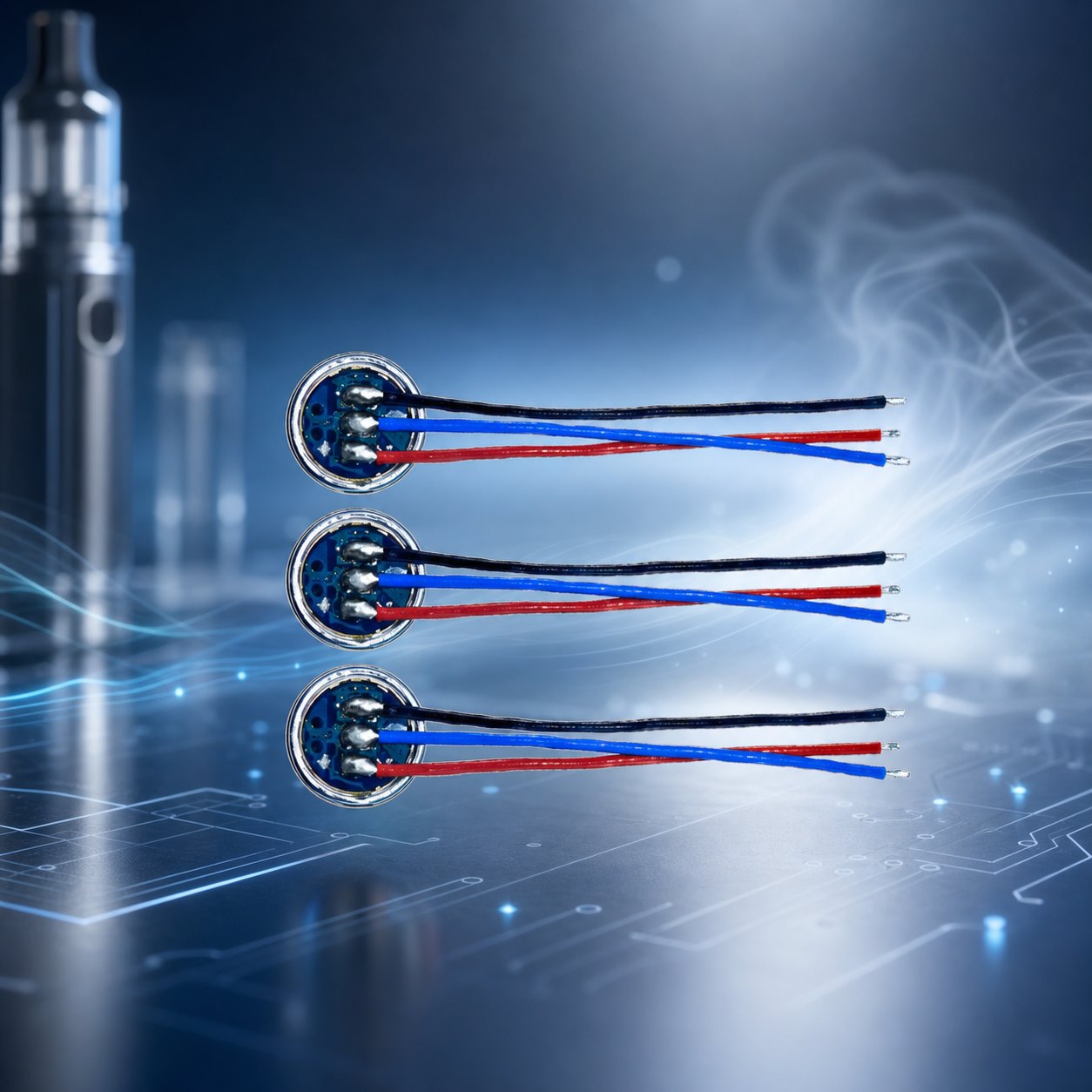
With the continuous development of electronic vape technology, smart vape systems require more accurate, efficient, and reliable components to improve user experience. Among these components, the airflow sensor plays an important role because it detects inhalation actions and helps the device respond quickly. A low-power vape airflow sensor has become an essential component for modern smart vape systems because it combines accurate airflow detection with reduced energy consumption. By optimizing power usage, this type of sensor helps extend battery life while maintaining stable device performance. RIMYI focuses on providing advanced sensor solutions for electronic vape applications. Through precise sensing technology and reliable manufacturing processes, RIMYI supports customers who need efficient components for next-generation vape devices.
Why Low Power Consumption Matters In Smart Vape Systems
Smart vape devices usually rely on compact batteries due to their portable design. Therefore, every internal component needs to operate efficiently without unnecessary power consumption. A low-power vape airflow sensor helps reduce energy usage during standby and operation. Unlike traditional sensors that may consume more power continuously, low-power designs can activate detection functions only when needed.
The main benefits include:
| Feature | Benefit For Smart Vape Systems |
|---|---|
| Low energy consumption | Extends battery operating time |
| Fast activation response | Provides a smooth user experience |
| Compact structure | Supports smaller device designs |
| Stable sensing performance | Improves product reliability |
As a result, manufacturers can create vape products with longer usage time and better portability.
Improving Smart Activation Performance
Moreover, airflow detection accuracy directly affects how quickly a vape device responds. When users inhale, the sensor needs to identify airflow changes immediately and activate the heating system correctly. A high-quality airflow sensor improves this process by providing:
- Accurate inhalation detection
- Fast response speed
- Stable signal output
- Reduced false activation
Furthermore, low-power sensor technology allows smart vape systems to maintain responsive performance without placing additional pressure on battery capacity.
Supporting Compact And Portable Vape Designs
Modern vape products continue to become smaller and more lightweight. Consequently, manufacturers require sensor components that provide strong performance while occupying minimal space. The compact structure of a low-power vape airflow sensor makes it suitable for portable electronic devices. It can be integrated into different vape designs while maintaining efficient operation. For example, smart vape manufacturers can benefit from these features:
| Design Requirement | Sensor Advantage |
|---|---|
| Small device size | Compact sensor structure |
| Long battery life | Reduced power consumption |
| Reliable operation | Stable airflow detection |
| Smart control functions | Accurate activation signals |
Therefore, low-power sensors help manufacturers achieve a balance between product size and performance.
Enhancing User Experience Through Accurate Detection
In addition, user experience is one of the most important factors in smart vape development. A device that responds slowly or activates incorrectly may affect customer satisfaction. A reliable airflow sensor provides smoother operation by accurately detecting different inhalation patterns. This allows users to enjoy a more consistent experience during daily use. Furthermore, improved sensing technology helps reduce issues such as delayed activation or unnecessary power consumption. As smart vape products continue to evolve, accurate airflow detection becomes increasingly important.
Application Advantages For Vape Manufacturers
For vape manufacturers, selecting the right sensor component can influence product quality and market competitiveness. A professional sensor solution provides advantages in product development, production efficiency, and long-term reliability.
Key application advantages include:
- Improved battery efficiency
- Better device response speed
- Flexible product integration
- Enhanced product stability
- Support for customized designs
RIMYI provides sensor solutions designed to meet different electronic device requirements. By focusing on precision and efficiency, the company helps customers develop competitive smart vape products.
Technology Factors Affecting Sensor Performance
Additionally, several technical factors influence airflow sensor performance. Manufacturers should consider the following aspects when selecting components:
| Factor | Importance |
|---|---|
| Sensitivity | Determines airflow detection accuracy |
| Power efficiency | Affects battery lifespan |
| Response speed | Influences activation experience |
| Size design | Supports compact devices |
| Reliability | Ensures long-term operation |
By choosing suitable sensor technology, manufacturers can improve overall device performance and create better smart vape systems.
Future Development of Low-Power Sensor Technology
As electronic vape products become more intelligent, sensor technology will continue to advance. Future smart vape systems may require sensors with higher sensitivity, lower power consumption, and stronger integration capabilities. Therefore, a low-power vape airflow sensor will remain an important solution for manufacturers seeking efficient and reliable components. With continuous innovation, low-power sensing technology can support more advanced device designs.
Conclusion
In conclusion, airflow sensors play a key role in smart vape system performance. Low-power technology helps devices achieve longer battery life, faster response, and more reliable operation. A low-power vape airflow sensor provides an effective solution for modern vape manufacturers by combining energy efficiency with accurate airflow detection. With professional sensor development capabilities, RIMYI helps customers create high-performance smart vape systems that meet changing market demands.