

The global vaping industry is undergoing a profound transformation as consumer priorities shift toward health and sustainability. While nicotine has traditionally defined e-cigarettes, a growing segment of users now seeks alternatives free of addictive substances. At the center of this evolution are nicotine-free e-cigarette boards, which serve as the core of devices that deliver satisfying vapor experiences without nicotine dependence. These circuit boards not only enable advanced control but also shape the reliability and market acceptance of smoke-free alternatives. As demand rises, the design and functionality of these boards increasingly determine how the industry adapts to health-conscious lifestyles.
Shifting Consumer Health Trends
Across international markets, consumers are becoming more aware of the health risks associated with nicotine addiction. Many users still enjoy the ritual of vaping but prefer a solution that minimizes chemical dependency. Nicotine-free e-cigarette boards empower manufacturers to create devices that focus on flavor delivery, vapor production, and safety. By removing nicotine while retaining the sensory experience, brands can appeal to users who value harm reduction. These boards also support broader adoption among individuals seeking smoke-free lifestyles, where enjoyment does not come at the cost of dependency. This shift reflects a cultural movement where health and choice merge into market demand.
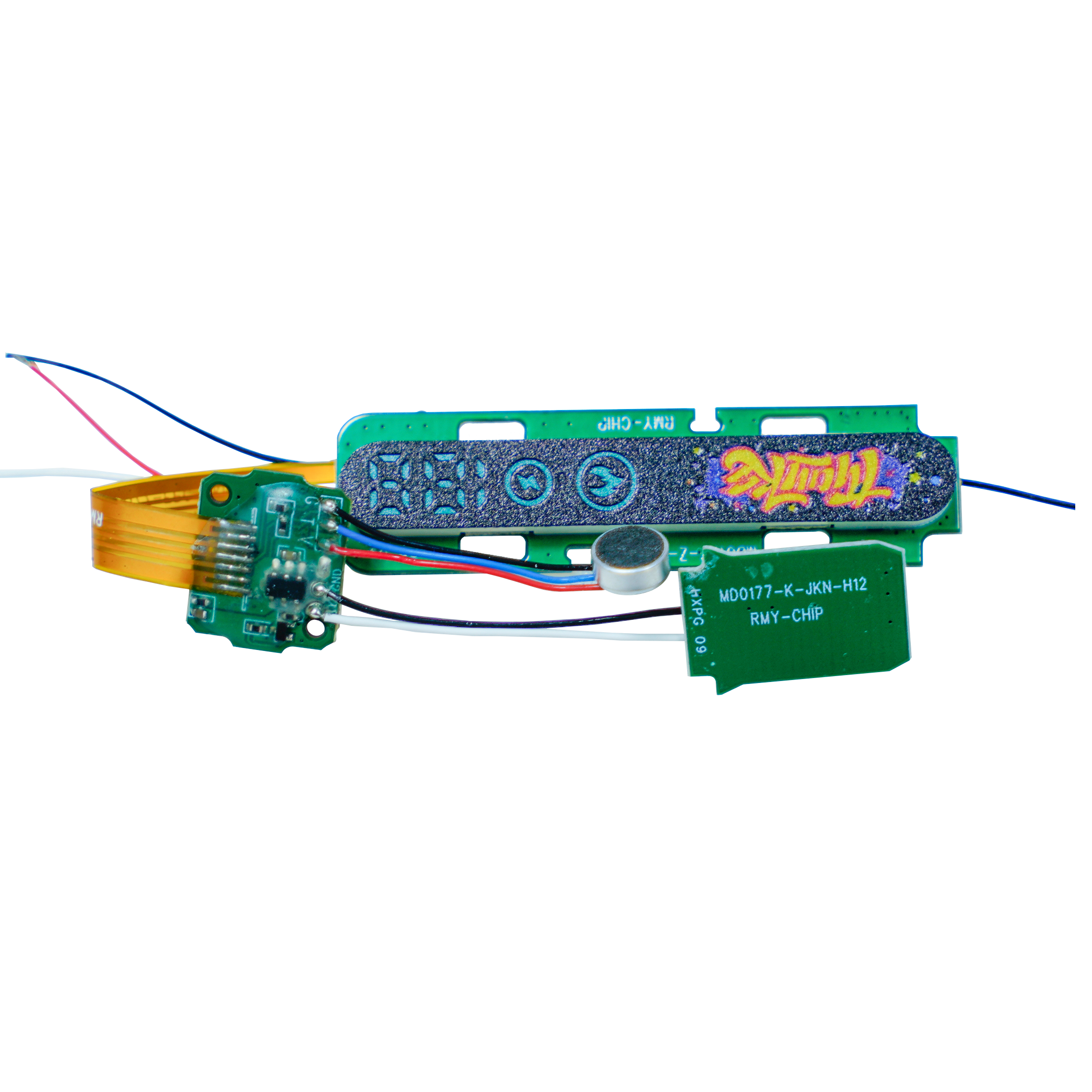
Core Technology of Nicotine-Free E-Cigarette Boards
At the heart of every nicotine-free vape lies its printed circuit board assembly. These nicotine-free e-cigarette boards integrate heating control, power management, and sensor feedback to regulate the atomization process. High-performance microcontrollers ensure efficient coil activation without unnecessary energy waste. Pressure and airflow sensors deliver smooth puff detection while preventing accidental activation. Since vapor flavor quality becomes the main attraction in nicotine-free devices, boards are optimized to maintain stable temperature curves that preserve liquid integrity. These precise engineering choices guarantee a consistent, enjoyable experience even without nicotine as the central stimulant.
Market Acceptance and Differentiation
Manufacturers now recognize that nicotine-free e-cigarette boards open pathways to new consumer demographics. Younger adults, wellness-oriented buyers, and individuals transitioning from traditional smoking often find nicotine-free options more attractive. By offering these alternatives, brands differentiate themselves in a crowded marketplace. For retailers, nicotine-free products reduce regulatory barriers in regions with strict nicotine controls. This advantage not only expands distribution opportunities but also improves brand reputation as companies present themselves as advocates of healthier living. In competitive markets, nicotine-free vaping solutions elevate perception, creating an image of responsibility and forward-looking innovation.
Reliability and Safety Engineering
Reliability is essential to building trust among health-focused users. Nicotine-free e-cigarette boards must endure repeated heating cycles, high humidity exposure, and mechanical stress without malfunction. Manufacturers employ flame-retardant laminates, low-power chipsets, and advanced soldering techniques to enhance board durability. Reliability testing, including thermal cycling and condensation resistance, ensures devices perform consistently in real-world use. Safety also extends to algorithms that prevent dry burns, misfires, or overheating. In nicotine-free devices, where the emphasis is on experience rather than stimulation, the stable performance of the control board becomes the primary measure of success.
Expanding Flavor-Centric Experiences
One of the strongest appeals of nicotine-free vaping lies in its focus on flavors. With the absence of nicotine, e-liquid taste and vapor smoothness take center stage. Nicotine-free e-cigarette boards enhance these qualities by controlling precise heating levels. This optimization prevents flavor degradation while delivering clean, enjoyable vapor. As technology advances, boards integrate adaptive algorithms that adjust power curves based on coil resistance and puff duration. These enhancements support richer, more diverse flavor experiences that expand vaping beyond dependency. For consumers, this shift means vaping evolves into a lifestyle product rather than just a smoking alternative.
Regulatory and Social Acceptance
Nicotine-free e-cigarette boards also influence how the industry responds to regulatory challenges. Many jurisdictions impose heavy restrictions on nicotine content, but nicotine-free alternatives face fewer barriers. This allows brands to penetrate markets where nicotine vaping remains restricted. Furthermore, devices without addictive substances gain more acceptance in social contexts, including public health discussions. They can be positioned as wellness-oriented products rather than nicotine delivery systems. In this way, nicotine-free vaping demonstrates alignment with societal goals of reducing smoking-related harm. Boards that enable these solutions thus contribute to shaping both regulation and public opinion.
 Sustainability Considerations
Sustainability has become an important aspect of product development across industries. Nicotine-free e-cigarette boards support eco-friendly initiatives through energy-efficient chipsets and recyclable substrates. Manufacturers increasingly adopt halogen-free laminates and lead-free soldering processes, which minimize environmental impact. Since users of nicotine-free products often overlap with health-conscious demographics, sustainability further reinforces brand appeal. Offering greener solutions enhances corporate responsibility, allowing companies to stand out in markets where consumers expect alignment between health and environmental values. Boards that embody these principles help shape a future where vaping reflects both wellness and sustainability.
Competitive Advantage Through Customization
Customization is another major advantage of nicotine-free e-cigarette boards. Brands can design devices that highlight unique flavor delivery systems, longer battery life, or compact form factors. Tailor-made PCBA designs allow companies to target niche audiences with products that reflect specific lifestyle values. Customization also helps brands develop signature user experiences, making differentiation possible in markets crowded with standard devices. For manufacturers, investing in advanced board design secures long-term competitiveness by aligning product capabilities with evolving consumer expectations.
Conclusion
Nicotine-free e-cigarette boards are reshaping the industry by offering consumers meaningful smoke-free alternatives. Through advanced engineering, these boards deliver reliable, safe, and enjoyable experiences without nicotine dependency. They reflect health-driven market trends, regulatory shifts, and sustainability goals that define the future of vaping. By focusing on flavor quality, device reliability, and eco-friendly production, manufacturers create products that align with both consumer well-being and industry evolution. Ultimately, the rise of nicotine-free e-cigarette boards marks a decisive step toward a smoke-free future where technology enables healthier lifestyles and brands achieve new levels of trust and differentiation.