

The global demand for rechargeable nicotine delivery systems has increased as consumers seek consistent performance, safety, and durability in compact devices. At the center of these products lies the printed circuit board assembly, which governs power regulation, heating efficiency, and safety controls. To guarantee reliability under real-world conditions, manufacturers must apply rigorous testing protocols. Without such protocols, even advanced designs risk premature failure in high-temperature or high-humidity environments. Therefore, manufacturers implement structured reliability testing to validate material integrity, solder durability, and system performance over extended lifecycles.
The Role of Reliability in Device Safety
Reliability defines more than operational stability. In a rechargeable nicotine delivery system, it also ensures user safety. A weak PCB design can trigger overheating, short circuits, or inconsistent nicotine delivery. Since these devices rely on rechargeable batteries, ensuring circuit protection during repeated charging cycles becomes essential. Reliability testing identifies failure points early, allowing manufacturers to redesign weak interconnections or upgrade materials. By linking safety with performance, testing protocols create a foundation of trust between brands and users. Consumers demand not only effective vapor production but also assurance that devices remain safe after months of usage.
Thermal Cycling and High-Temperature Endurance
One of the most common stress conditions faced by nicotine delivery PCBs is repeated heating. During atomization, circuits experience rapid thermal expansion. Over time, solder joints can crack, and substrates can warp. To simulate this stress, manufacturers perform thermal cycling tests, exposing boards to repeated high and low temperatures. These cycles measure material resilience, interlayer adhesion, and solder fatigue. A robust PCB designed for pod-style or stick-type systems must endure hundreds of cycles without significant degradation. Using flame-retardant laminates and high-Tg substrates enhances performance in these tests. Furthermore, temperature uniformity in the testing chamber ensures accurate evaluation, preventing premature market failures.
Drop and Impact Resistance
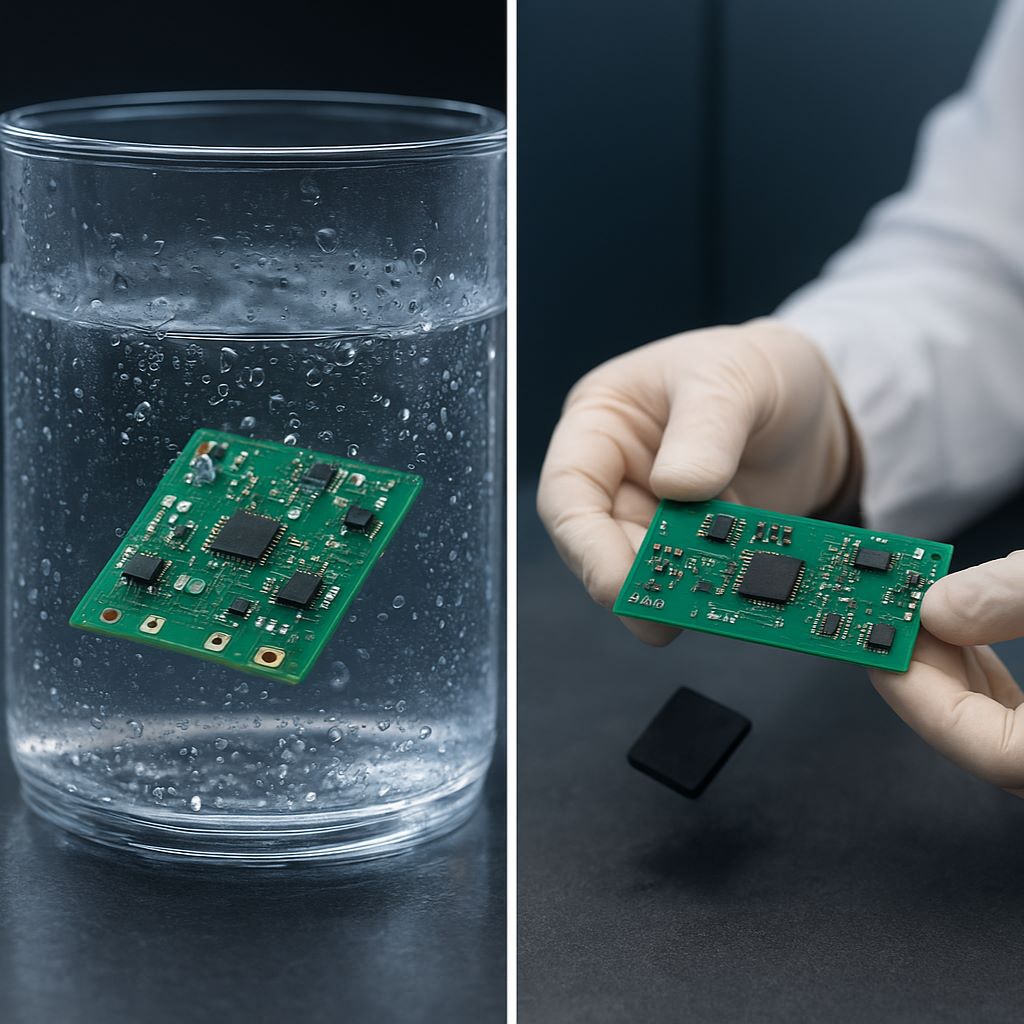
Since rechargeable nicotine delivery systems are handheld products, drop resistance plays a critical role in reliability. Every day handling subjects devices to impacts, whether from pocket slips or accidental drops. Drop tests simulate these events by releasing devices from standardized heights onto hard surfaces. Engineers then examine solder joint cracks, component displacements, or microfractures in the board. Reinforced solder alloys and protective conformal coatings significantly improve survival rates. Moreover, optimizing component placement reduces stress concentrations. Through this protocol, manufacturers guarantee that PCBs withstand mechanical shocks, preserving both function and consumer confidence.
Humidity and Aging Protocols
Moisture remains a critical threat to PCB reliability in nicotine delivery systems. Condensation from vapor, combined with environmental humidity, accelerates corrosion and short circuits. To assess resistance, boards undergo high-humidity aging tests, where they are exposed to controlled environments with elevated temperature and moisture. These tests simulate long-term exposure within weeks, revealing weaknesses in coatings, solder alloys, or substrate permeability. Effective designs employ hydrophobic conformal coatings or sealed encapsulations to protect delicate components. By validating humidity resistance, manufacturers ensure devices maintain stability even in tropical climates or under heavy usage.
Electrical Stress and Charging Stability
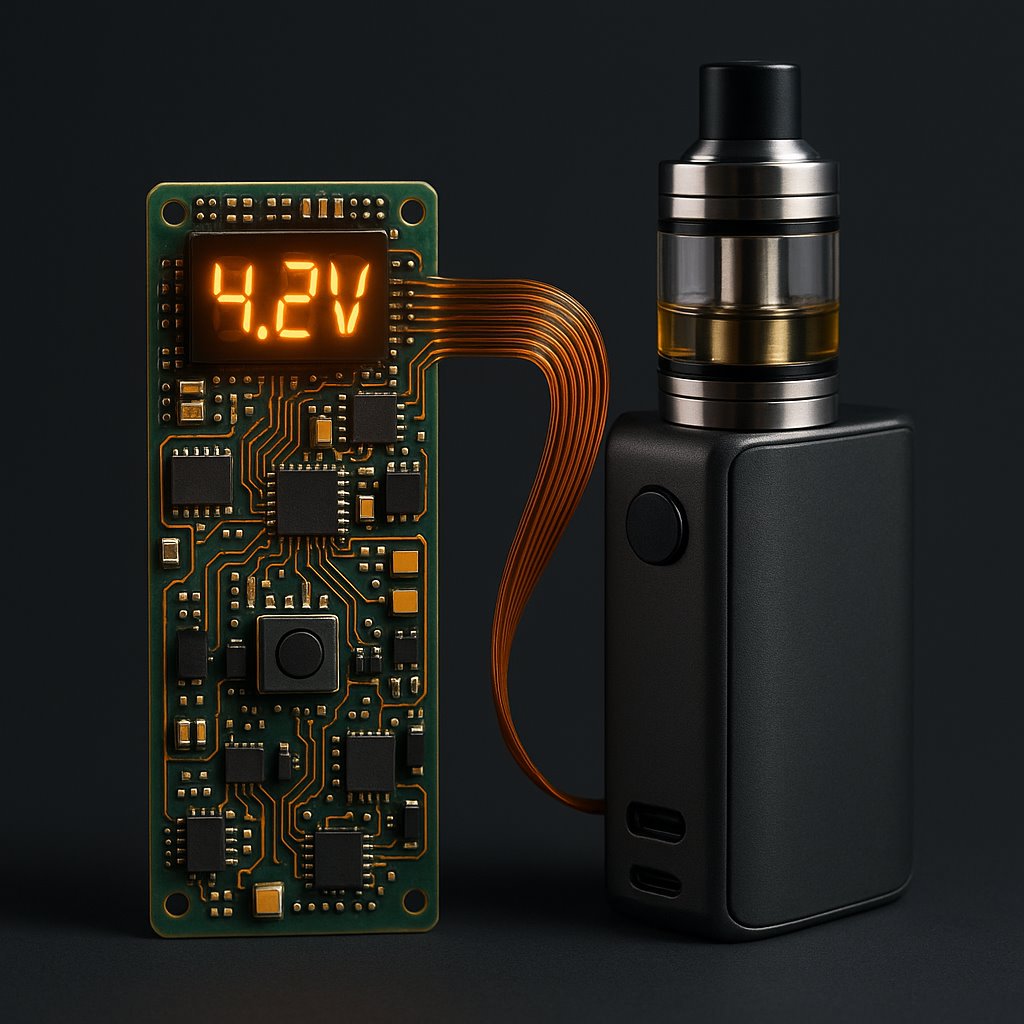
Rechargeable devices experience repeated charging cycles, which strain power management circuits. Electrical stress testing evaluates voltage regulation, battery management systems, and protective components under prolonged operation. This protocol identifies thermal hotspots, current leakage, and regulator inefficiencies. By applying accelerated charging-discharge cycles, engineers verify long-term stability. Incorporating low-power chips with robust energy management strategies extends device lifespan. When integrated with temperature control algorithms, these circuits safeguard both users and batteries. Thus, electrical stress testing remains indispensable in creating a safe and efficient rechargeable nicotine delivery system.
 Material Selection and Long-Term Durability
Reliability testing does not function independently of material choice. Boards fabricated with low-grade substrates or poor solder alloys cannot survive environmental stress. High-Tg laminates, lead-free solder with silver content, and halogen-free substrates ensure durability while meeting global regulations. The combination of material resilience and reliability testing protocols creates an ecosystem of safety. Additionally, environmentally conscious consumers increasingly value sustainable materials. By adopting halogen-free options and recyclable packaging, manufacturers align reliability with sustainability, enhancing brand positioning in global markets.
Advanced Testing Technologies
Modern reliability testing relies on advanced technologies such as X-ray inspection, scanning electron microscopy, and automated optical analysis. These tools detect voids in solder joints, microcracks, or delamination invisible to the naked eye. By integrating such diagnostics into testing protocols, manufacturers gain deeper insights into board performance. Moreover, machine learning algorithms now help predict failure modes by analyzing test data patterns. With predictive reliability models, manufacturers reduce costs while improving time-to-market. This integration of technology transforms testing from reactive quality control to proactive design validation.
Market Benefits of Structured Reliability Testing
Brands that implement rigorous reliability protocols gain distinct advantages. Reduced warranty claims, fewer product recalls, and improved customer satisfaction create a competitive edge. In the crowded market of rechargeable nicotine delivery systems, reliability becomes a key differentiator. Devices that last longer and remain safe under diverse conditions build stronger brand loyalty. Additionally, regulatory compliance requires documented testing protocols. Companies that adhere to these practices not only avoid legal risks but also strengthen their reputation as responsible manufacturers. Ultimately, structured reliability testing elevates both technical performance and market credibility.
Conclusion
Reliability testing forms the backbone of modern rechargeable nicotine delivery system design. Thermal cycling validates endurance under heating, drop tests ensure mechanical resilience, and humidity protocols confirm long-term stability. Electrical stress testing secures charging safety, while advanced diagnostics improve predictive maintenance. Together, these protocols transform PCB design from fragile assemblies into durable platforms capable of sustaining consumer trust. By combining robust material choices with strict testing, manufacturers achieve safer, more reliable, and more competitive products. In an evolving marketplace where safety and performance define success, reliability testing remains an essential cornerstone of innovation.