

In the competitive world of vaping technology, performance consistency is one of the most critical indicators of a product’s success. Among various types of vaporizers, the CBD e-cigarette PCBA (Printed Circuit Board Assembly) has gained attention for its role in maintaining precise control over vapor output, heating stability, and user experience. However, as these devices are often used repeatedly over long periods, one question becomes inevitable: Does long-term operation affect the performance of the CBD e-cigarette PCBA?
The answer depends on several interconnected factors—ranging from heat exposure and component aging to manufacturing design and protective measures. Understanding how these elements interact is vital for both manufacturers and end-users who value reliability and product longevity.
The Impact of Heat and Thermal Cycling
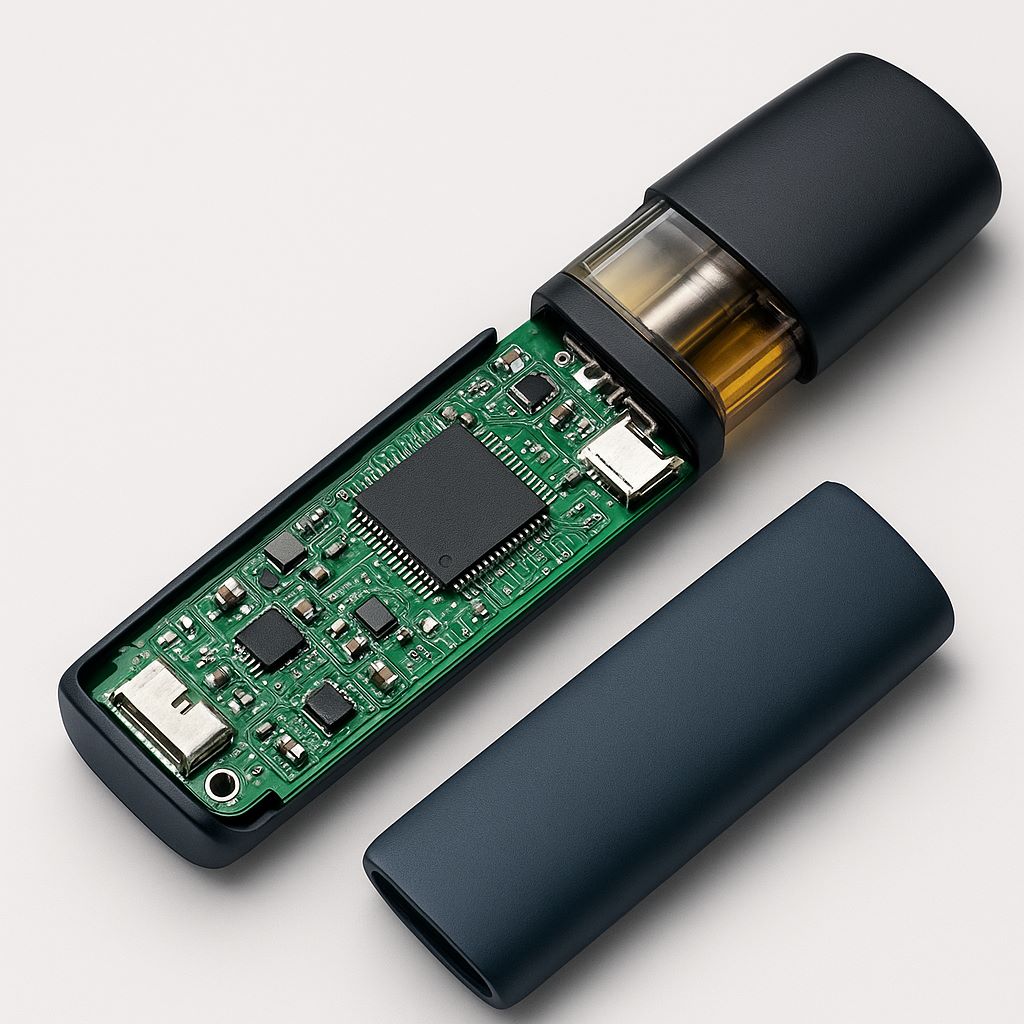
The primary source of stress in a CBD e-cigarette PCBA comes from repeated thermal cycles. Each time the device activates its heating coil, the temperature within the chamber rises sharply. This fluctuation subjects solder joints, copper traces, and electronic components to expansion and contraction. Over time, microcracks may form, increasing resistance or even leading to circuit failure.
To counteract this, engineers use high-Tg substrates, which maintain stability under continuous heat exposure. Proper thermal design ensures even heat dissipation across the board, preventing localized overheating. The inclusion of thermal vias and reinforced copper layers enhances the board’s endurance, while heat-resistant solder materials minimize degradation over extended usage cycles.
Furthermore, optimizing the power delivery circuit is key. Efficient MOSFET switching control and voltage regulation minimize unnecessary heat generation, reducing long-term stress on the components.
 Material Aging and Component Wear
Another crucial factor in long-term reliability is material fatigue. Dielectric layers within the PCB gradually lose insulation strength due to high humidity or continuous heat. This can lead to signal leakage or impedance variation, which affects the board’s response to control signals.
Capacitors, particularly electrolytic ones, are vulnerable to aging as their electrolyte slowly evaporates. Similarly, MOSFETs and IC controllers may degrade as a result of prolonged high-current operation. Engineers, therefore, prefer ceramic capacitors and high-temperature IC packaging, which offer better endurance.
Surface coatings also play a defensive role. Applying conformal coatings or nano-protective films can prevent oxidation, dust contamination, and moisture ingress. This protection is especially important for CBD e-cigarette PCBA applications, where exposure to vapor and oil particles can corrode contacts over time.
Power Efficiency and Circuit Optimization
Long-term performance also depends heavily on how efficiently the circuit manages power. In a CBD e-cigarette, the PCBA must balance two primary demands—delivering consistent heating output and conserving battery life. Over time, inefficiencies in power management can increase the current load on individual components, causing them to overheat or drift out of tolerance.
To avoid this, engineers adopt high-efficiency DC-DC converters and optimized trace routing, which minimize losses. Modern designs also incorporate sleep modes and smart activation triggers, allowing the board to remain dormant when not in use. This not only extends battery lifespan but also reduces the total stress placed on the components during idle periods.
Moisture, Oil, and Environmental Resistance
Since CBD vape devices often contain oil-based liquids, the PCB is regularly exposed to humidity and vapor residue. Without adequate protection, conductive oil particles can cause short circuits or corrosion. Manufacturers address this challenge through moisture-proof resins, protective sealants, and PCB designs that physically isolate sensitive components.
Additionally, enclosure design plays a significant role. Proper ventilation and sealing ensure that the internal environment remains dry while allowing heat to dissipate. Engineers often test PCBs under accelerated humidity and temperature cycles to verify that their protective coatings and seals remain effective throughout the device’s life span.
Firmware Optimization and Control Logic
The performance of a CBD e-cigarette PCBA is not purely hardware-dependent. Firmware and control algorithms significantly influence the consistency of heating cycles and vapor delivery. As the board ages, slight variations in voltage or resistance can occur. Well-designed firmware compensates for these changes by dynamically adjusting pulse width, current, and temperature control.
Advanced models integrate feedback loops using temperature or resistance sensors, enabling self-calibration during operation. This adaptive logic helps maintain consistent output even after thousands of activation cycles, reducing the effect of long-term wear.
 Reliability Testing and Quality Assurance
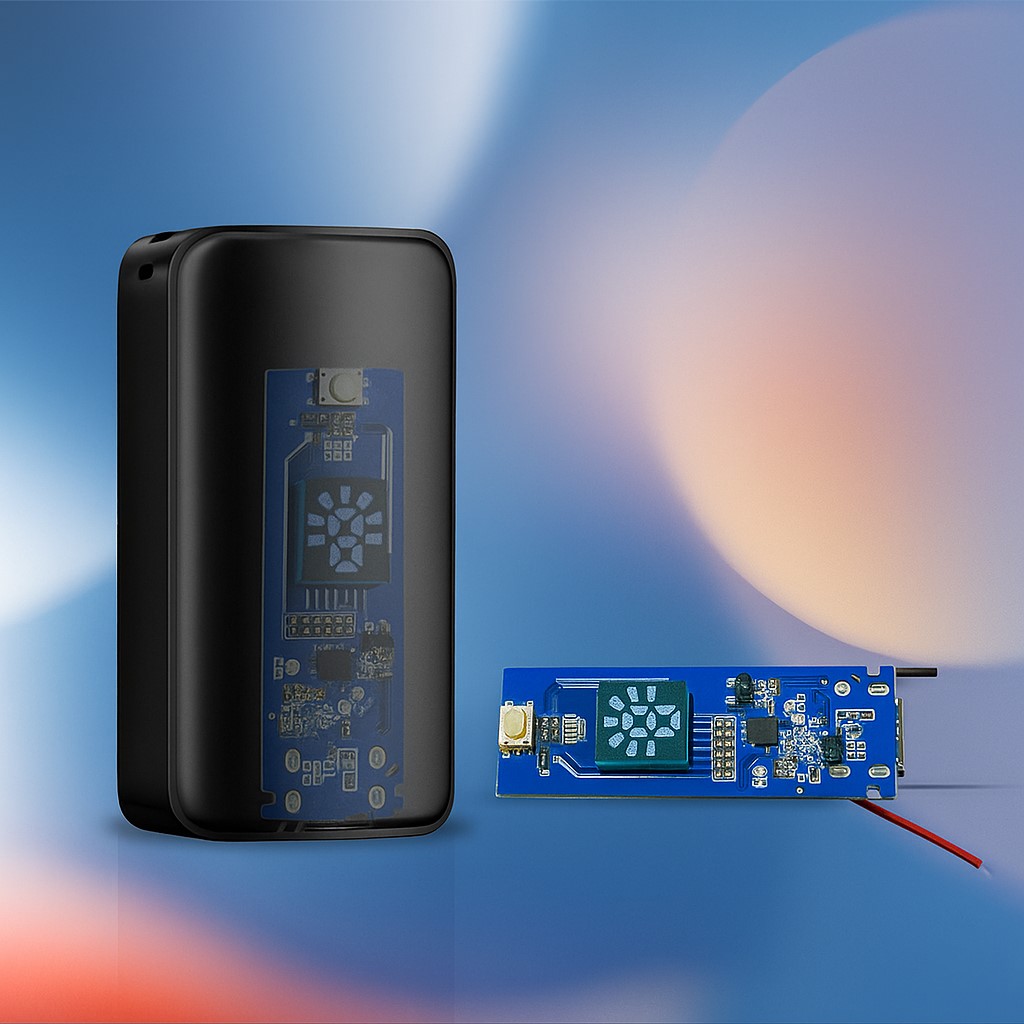
Before reaching the market, a CBD e-cigarette PCBA undergoes a variety of reliability tests that simulate real-world usage. Common methods include:
-
Thermal cycling tests to assess solder joint durability
-
High-humidity exposure to test corrosion resistance
-
Vibration and drop testing to ensure mechanical integrity
-
Burn-in testing, which runs the board under load for extended periods to detect early failures
Through these processes, manufacturers identify weak points and refine designs for better durability. In addition, data from accelerated aging tests guide improvements in materials and circuit layout to ensure consistent field performance.
Design for Long-Term Stability
The key to preventing long-term degradation lies in proactive design choices. PCB engineers use thicker copper layers to handle higher currents, while selecting low ESR capacitors and high-grade resistors for stable operation. At the same time, layout optimization minimizes crosstalk and electromagnetic interference, both of which can cause performance fluctuations over time.
As the CBD vape market evolves, PCBA manufacturers increasingly integrate IoT and smart control features into their products. These features not only enhance usability but also enable remote diagnostics and predictive maintenance, which help identify potential degradation before it affects functionality.
Conclusion
Long-term operation can indeed influence the performance of a CBD e-cigarette PCBA, but with the right materials, circuit architecture, and protection mechanisms, its impact can be minimized. The continuous improvement of high-temperature substrates, conformal coatings, and intelligent control firmware ensures that modern vape boards maintain consistent output even after extensive use.
RIMYI’s engineering philosophy focuses on combining durability with precision control, ensuring that every board performs reliably under demanding conditions. Through innovation in circuit design, power management, and environmental protection, RIMYI’s CBD e-cigarette PCBA solutions demonstrate that long-term performance and user satisfaction can coexist without compromise.
Ultimately, reliability is not a matter of endurance alone—it is the result of intelligent engineering that anticipates stress, adapts to wear, and delivers stability through design excellence.