

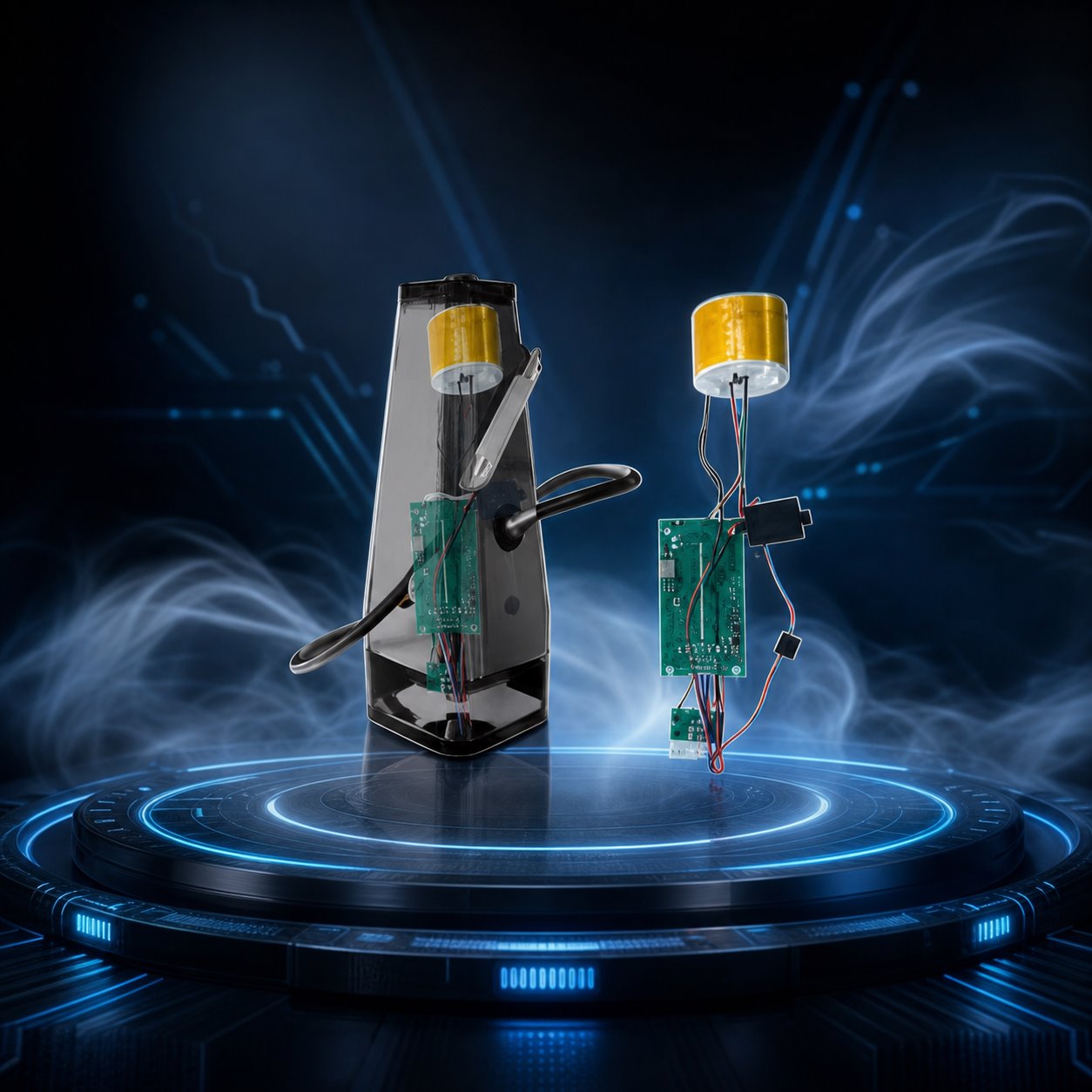
In modern electronic hookah devices, stable heating temperature is one of the most critical factors affecting vapor quality and user experience. However, maintaining consistent heat output is not simple, especially when devices operate under different voltage, airflow, and usage conditions. Therefore, the electronic hookah PCBA module plays a central role in managing temperature control and ensuring consistent performance during long-term operation. In addition, heating stability directly affects vapor density, flavor consistency, and device safety. As a result, manufacturers must design PCBA systems with precise thermal regulation capabilities.
How Temperature Control is Managed in PCBA Systems
An electronic hookah PCBA module regulates heating through real-time power adjustment and feedback control systems. Meanwhile, embedded sensors continuously monitor temperature changes and adjust output power accordingly. Therefore, even when airflow or voltage fluctuates, the system can maintain a stable thermal balance. In addition, modern designs integrate multi-layer protection circuits to prevent overheating and ensure long-term reliability.
Key Temperature Stability Mechanisms
| Control Mechanism | Function | Stability Benefit |
|---|---|---|
| Temperature sensor feedback | Monitors real-time heat level | Prevents overheating |
| PWM power control | Adjusts heating power dynamically | Maintains steady output |
| Overheat protection circuit | Cuts power at unsafe levels | Improves safety |
| Voltage regulation system | Stabilizes input power | Reduces temperature fluctuation |
| Airflow compensation logic | Adjusts heating based on airflow | Improves consistency |
Why Heating Fluctuations Occur in Hookah Devices
In addition, several real-world factors can influence temperature stability. For example, unstable input voltage may cause uneven heating. Meanwhile, different airflow intensity levels can affect how quickly the heating element cools down. Therefore, without a properly designed electronic hookah PCBA module, temperature inconsistency is more likely to occur.
Engineering Optimization for Stable Performance
To improve reliability, engineers integrate advanced control algorithms and hardware protection systems. For instance, adaptive heating curves allow the system to adjust output power based on usage patterns. Meanwhile, RIMYI focuses on optimizing circuit design to improve thermal response speed and reduce energy loss. As a result, heating performance becomes more stable even under continuous use.
Temperature Stability Comparison Table
| Scenario | Without Control Module | With PCBA Module |
|---|---|---|
| Low airflow | Overheating risk | Balanced temperature |
| High airflow | Temperature drop | Stable compensation |
| Voltage fluctuation | Unstable heating | Regulated output |
| Long usage session | Heat degradation | Consistent performance |
| Rapid activation cycles | Delay in response | Fast thermal adjustment |
Real-World Application Benefits
In practical use, stable heating ensures smoother vapor production and better user satisfaction. Meanwhile, consistent temperature control helps extend device lifespan and reduces component stress. Therefore, a high-quality electronic hookah PCBA module is essential for maintaining both performance and safety in modern hookah systems.
Conclusion
In conclusion, stable heating temperature depends heavily on both hardware design and control algorithms. A well-engineered system can effectively reduce fluctuations caused by voltage changes, airflow variation, and long-term usage. With advanced engineering from RIMYI, the electronic hookah PCBA module delivers precise temperature regulation, ensuring consistent vapor output, improved safety, and reliable performance in real-world applications.